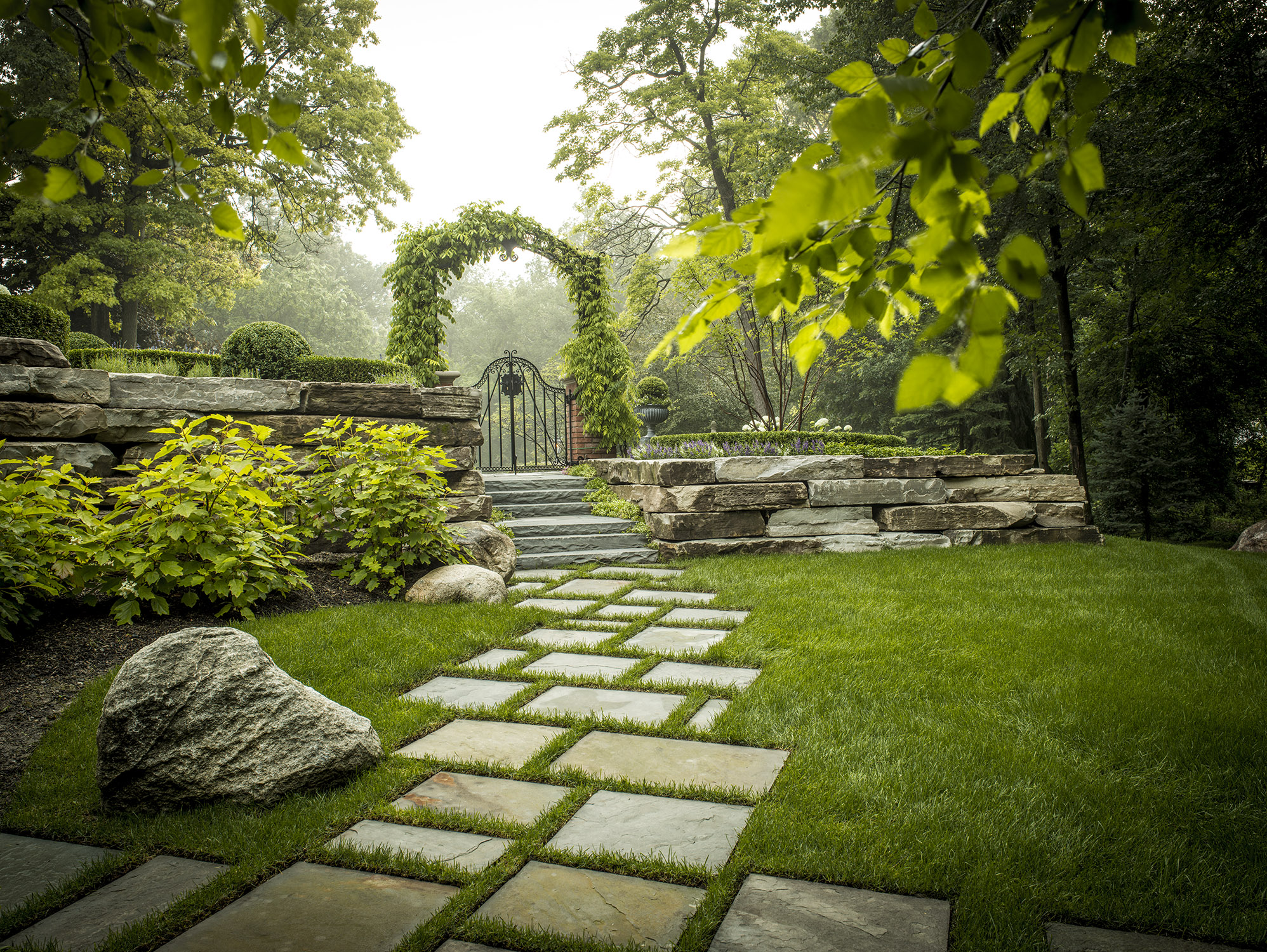
As homeowners become more environmentally conscious, landscaping is no longer just about green lawns it’s about sustainability, water conservation, and supporting local ecosystems. At Discounted Landscape, we believe beautiful outdoor spaces can also be eco-friendly and low-maintenance.
In this guide, we explore sustainable landscaping ideas beyond traditional turf, helping you create a yard that saves water, supports nature, and enhances your property’s value.
Sustainable landscaping often called ecoscaping is the practice of designing outdoor spaces that work with nature, not against it. The goal is to reduce environmental impact while maintaining a visually appealing yard.
Using native and drought-tolerant plants
Reducing excessive water use
Improving soil health naturally
Supporting pollinators and wildlife
Lowering long-term maintenance costs
This approach results in landscapes that are resilient, cost-effective, and environmentally responsible.
Native plants are adapted to the local climate, making them ideal for sustainable landscaping.
Require less water once established
Thrive without chemical fertilizers
Attract pollinators like bees and butterflies
Resist local pests and diseases
Reduce overall maintenance
At Discounted Landscape, we help homeowners select plants that suit their region, soil type, and design goals without wasting water.
Rain gardens are shallow landscaped areas designed to collect and absorb rainwater from roofs and driveways. They:
Prevent water runoff
Reduce soil erosion
Naturally filter pollutants
Add visual interest to your yard
Simple rain barrels or collection systems can be used to store rainwater for irrigation—cutting down on utility bills and conserving resources.
Mulching is one of the easiest ways to make your landscape more sustainable.
Retain soil moisture
Reduce weed growth
Regulate soil temperature
Improve soil quality over time
Organic mulch and low-growing groundcover plants also enhance the look of garden beds while keeping maintenance minimal.
A sustainable yard doesn’t just benefit you—it supports local wildlife too.
Plant flowering species for pollinators
Include shrubs or hedges for bird shelter
Leave small natural areas undisturbed
Avoid chemical pesticides
These small changes create a balanced ecosystem and bring life, color, and movement to your outdoor space.
Sustainable landscaping is more than a trend—it’s an investment.
Homeowners benefit from:
Lower water and maintenance costs
Improved curb appeal
Environmentally responsible design
Long-lasting landscape solutions
Eco-friendly yards are increasingly attractive to modern buyers who value sustainability and smart outdoor design.
Eco-friendly landscaping focuses on using sustainable practices like native plants, water-saving designs, and natural materials to reduce environmental impact while maintaining beauty.
It uses drought-tolerant plants, mulch, rain gardens, and efficient irrigation methods to significantly reduce water usage compared to traditional lawns.
Yes. Native plants require less water, thrive naturally in local conditions, support pollinators, and need minimal maintenance.
A rain garden collects rainwater runoff and allows it to soak into the soil, reducing erosion, preventing flooding, and improving water quality.
Yes. Sustainable landscaping improves curb appeal, lowers long-term maintenance costs, and appeals to environmentally conscious homebuyers.
At Discounted Landscape, we specialize in affordable, eco-friendly landscaping solutions that balance beauty, function, and environmental care. Whether you’re upgrading your yard, reducing water use, or creating a nature-friendly space, our team is here to help.
Contact us today to design a sustainable landscape that works for your home and the planet.

Lorem ipsum dolor sit amet, consectetur adipiscing elit, sed do eiusmod tempor incididunt ut labore et dolore magna aliqua. Ut enim ad minim veniam, quis nostrud exercitation ullamco laboris nisi ut aliquip ex ea commodo consequat. Duis aute irure dolor in reprehenderit in voluptate velit esse cillum dolore eu fugiat nulla pariatur.
May 25, 2026
Artificial turf has...
May 20, 2026
Modern cities are...

May 15, 2026
Artificial turf has...
April 20, 2026
A well-designed backyard...
April 13, 2026
Outdoor living spaces...