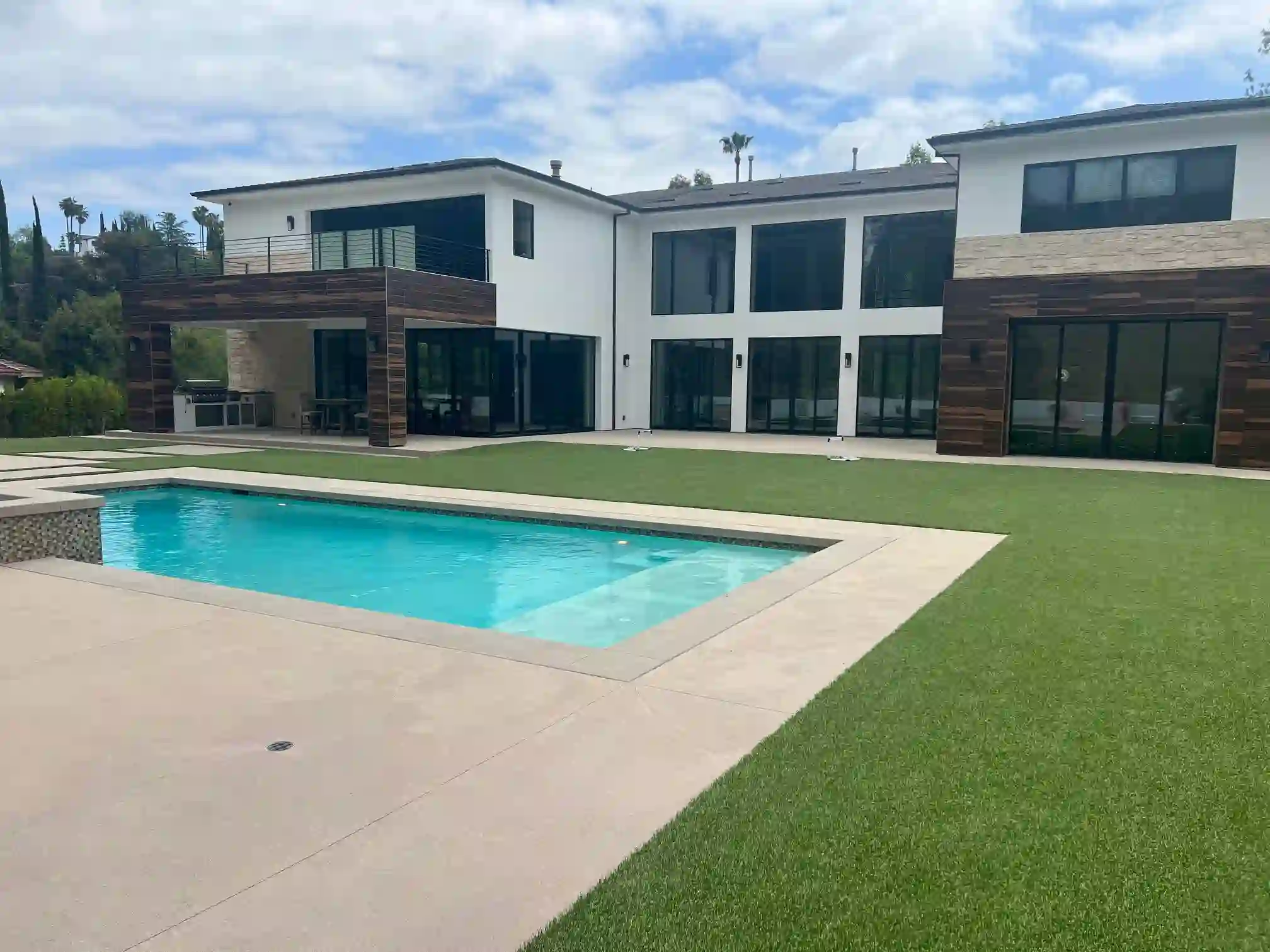
A lush green lawn has long been a symbol of a beautiful home. However, in California, maintaining natural grass is becoming increasingly expensive and difficult. Rising water costs, strict drought regulations, and ongoing lawn maintenance are causing many homeowners to reconsider traditional lawns.
Because of these challenges, more property owners are turning to artificial turf as a cost-effective and sustainable alternative. While natural grass may seem cheaper at first, the long-term expenses often make it far more costly than people expect.
This guide explores the hidden costs of natural grass in California and why artificial turf is becoming a popular landscaping solution.
California’s climate creates unique challenges for maintaining a healthy lawn. Hot summers, drought conditions, and water restrictions make natural grass difficult and expensive to maintain.
Homeowners must invest in constant watering, lawn care equipment, fertilizers, and pest control to keep grass looking green. Over time, these expenses add up significantly.
Additionally, many cities in California have introduced water conservation policies that limit outdoor water use. These regulations make maintaining traditional lawns even more complicated and costly.
Water is one of the biggest hidden expenses of natural grass.
A typical lawn can require tens of thousands of gallons of water every year to stay green. In drought-prone regions of California, this leads to higher water bills and environmental concerns.
During the summer months, lawns often need watering multiple times per week. As water rates increase, homeowners may notice a significant rise in their monthly utility bills.
Artificial turf eliminates this problem entirely because it requires no regular watering, making it an excellent solution for water conservation.
Ongoing Lawn Maintenance Expenses
Natural grass requires continuous care throughout the year. Even a small lawn can require frequent maintenance to keep it healthy.
Common lawn maintenance costs include:
For many homeowners, hiring a professional landscaper becomes necessary. Monthly landscaping services can quickly add up, increasing the overall cost of maintaining a natural lawn.
Artificial turf significantly reduces these maintenance requirements, saving both time and money.
Maintaining natural grass also has environmental consequences.
Gas-powered lawn equipment contributes to air pollution, while chemical fertilizers and pesticides can contaminate soil and water sources. Additionally, excessive watering places stress on California’s already limited water supply.
Because artificial turf requires minimal water and no chemical treatments, it can help reduce environmental impact while still providing a green, attractive outdoor space.
Repair and Replacement Costs
Natural grass lawns often develop problems over time. Heavy foot traffic, pets, weather conditions, and pests can damage grass and create bare patches.
To restore the lawn’s appearance, homeowners may need to:
These repairs can become frequent, especially in high-traffic areas such as backyards, play areas, or pet spaces.
Artificial turf, on the other hand, is designed to withstand heavy use and maintain its appearance for many years with minimal repairs.
Artificial turf offers several advantages that make it a smart investment for homeowners in California.
Once installed, synthetic grass requires very little maintenance compared to natural lawns. There is no need for watering, mowing, fertilizing, or reseeding.
Some of the key benefits include:
While the initial installation cost may be higher than planting grass, the long-term savings often make artificial turf a more economical option.
Long-Term Savings with Artificial Grass
Many homeowners are surprised to learn how much money they can save after switching to artificial turf.
Over several years, the savings from reduced water bills and lawn care expenses can offset the installation cost. Additionally, homeowners no longer need to spend time maintaining their lawns, making artificial grass a convenient solution for busy households.
Because artificial turf stays green throughout the year, it also enhances curb appeal and can improve the overall appearance of a property.
Why More California Homeowners Are Making the Switch
With rising water prices, ongoing drought conditions, and increasing maintenance costs, traditional lawns are becoming less practical in many parts of California.
Artificial turf provides a modern landscaping solution that combines beauty, durability, and sustainability. It allows homeowners to enjoy a lush green lawn without the ongoing expenses and environmental impact of natural grass.
For many property owners, switching to artificial turf is not just a landscaping upgrade—it’s a long-term investment in convenience and cost savings.
Frequently Asked Questions
Is artificial turf cheaper than natural grass?
In the long run, artificial turf is often cheaper than natural grass. While the installation cost is higher, homeowners save money on water bills, lawn care services, fertilizers, and equipment over time.
How long does artificial turf last?
High-quality artificial turf can last 15 to 20 years depending on usage, installation quality, and maintenance.
Does artificial grass require any maintenance?
Artificial turf requires very little maintenance. Occasional cleaning, brushing, and removing debris are usually enough to keep it looking fresh.
Is artificial turf environmentally friendly?
Artificial turf helps conserve water and eliminates the need for chemical fertilizers and pesticides. This makes it a more environmentally friendly landscaping option in drought-prone regions.
Can artificial turf handle pets and heavy foot traffic?
Yes. Artificial turf is designed to withstand heavy foot traffic and is commonly used in areas with pets, children, and outdoor activities.
Lorem ipsum dolor sit amet, consectetur adipiscing elit, sed do eiusmod tempor incididunt ut labore et dolore magna aliqua. Ut enim ad minim veniam, quis nostrud exercitation ullamco laboris nisi ut aliquip ex ea commodo consequat. Duis aute irure dolor in reprehenderit in voluptate velit esse cillum dolore eu fugiat nulla pariatur.
May 25, 2026
Artificial turf has...
May 20, 2026
Modern cities are...
May 15, 2026
Artificial turf has...
April 20, 2026
A well-designed backyard...
April 13, 2026
Outdoor living spaces...