logo
Address :6258 Penfield Ave
Opening Hours

Artificial Grass for Hotels, Restaurants, and Cafés: A Low-Maintenance Choice

artificial grass

The hospitality industry depends heavily on appearance and comfort. Hotels, restaurants, and cafés need outdoor spaces that look attractive, clean, and inviting at all times. However, maintaining natural grass in high-traffic hospitality environments can be difficult and costly. This is why many property owners are choosing artificial grass for hotels, restaurants, and cafés.

At Discounted Landscape, we help hospitality businesses create beautiful outdoor spaces with artificial turf that enhances guest experience while reducing maintenance efforts.

Enhancing Outdoor Ambiance

Outdoor seating areas, garden lounges, rooftop cafés, and poolside spaces play a major role in attracting customers. Artificial grass creates a lush, green atmosphere that enhances the overall ambiance without worrying about patchy lawns or muddy surfaces.

Guests enjoy a clean and comfortable environment, making them more likely to relax, dine longer, and return again.

Perfect for High Foot Traffic Areas

Hotels and restaurants experience constant movement from guests, staff, and service equipment. Natural grass often cannot withstand this level of usage and quickly becomes damaged.

Artificial grass is built to handle heavy foot traffic without losing its appearance. Whether it’s outdoor dining areas or hotel walkways, synthetic turf remains intact and visually appealing.

Reduced Maintenance and Operational Costs

Hospitality businesses already manage multiple operational costs. Artificial grass helps reduce landscaping expenses by eliminating the need for watering, mowing, fertilizing, and pest control.

This allows business owners to focus on customer service instead of lawn maintenance while enjoying long-term cost savings.

Hygienic and Easy to Clean

Artificial grass is easy to clean and maintain, making it ideal for restaurants and cafés. Spills, food crumbs, and dust can be quickly washed away. It also prevents mud, which keeps guest footwear clean.

High-quality artificial grass installed by Discounted Landscape includes proper drainage to prevent water buildup and odors.

Suitable for All Weather Conditions

Rain, heat, or shade—artificial grass performs well in all conditions. It dries quickly after rain and does not become slippery or muddy, ensuring guest safety.

FAQs:

Is artificial grass safe for dining areas?
Yes, it is non-toxic, hygienic, and safe for guests.

Can artificial grass be installed on rooftops?
Yes, it is lightweight and ideal for rooftops and terraces.

Does artificial grass fade under sunlight?
High-quality turf is UV-resistant and maintains its color for years.

Is artificial grass suitable for poolside areas?
Yes, it offers good drainage and a slip-resistant surface.

Can Artificial Grass Drain Water Properly? Drainage Explained

Artificial grass

When it comes to installing artificial grass, one of the most common questions from homeowners and businesses is: Can artificial grass drain water properly? Proper drainage is crucial to prevent puddles, waterlogging, bad odors, and surface damage. Fortunately, modern artificial grass is designed to handle water efficiently, making it a reliable option for lawns, gardens, playgrounds, and commercial spaces.

At Discounted Landscape, we specialize in professional artificial grass installation with expert drainage solutions. This guide explains how drainage works, why it’s important, and what you need to know before installing synthetic turf.

How Artificial Grass Drainage Works

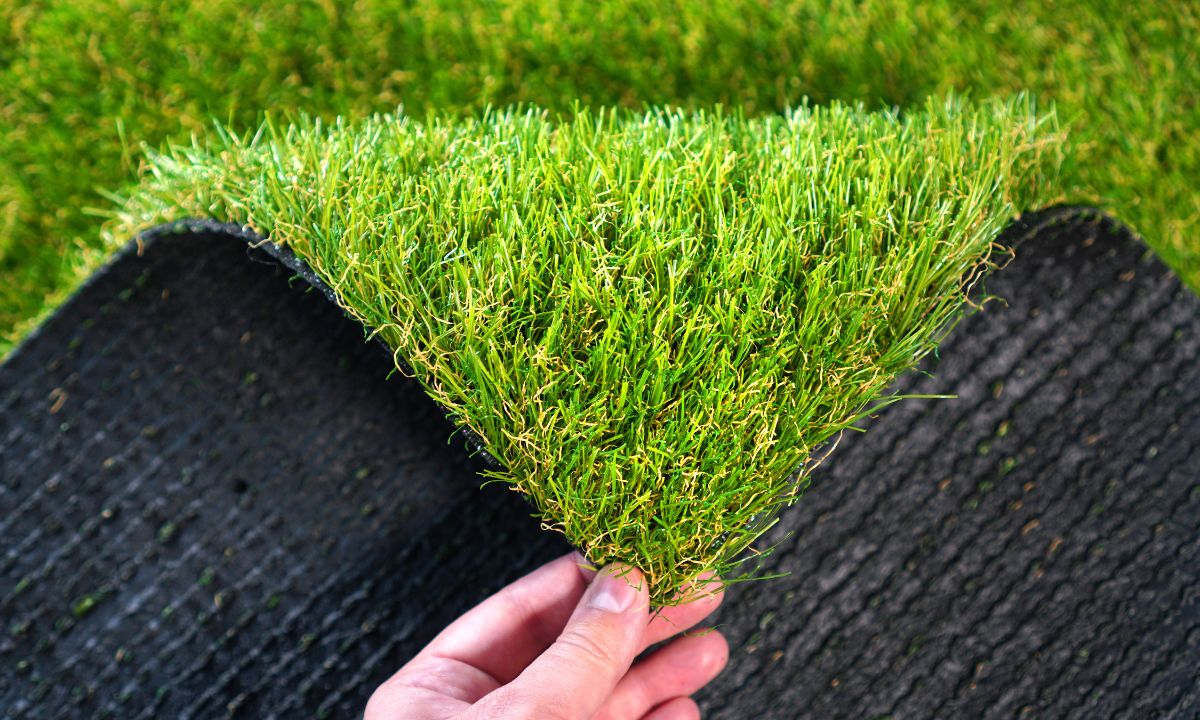
Artificial grass features a perforated backing with small drainage holes that allow water to pass through the surface and into the underlying base. This design ensures:

  • Quick water flow after rain or cleaning
  • No water accumulation on the surface
  • Prevention of muddy patches that are common with natural grass

The turf is installed over a prepared base, usually made of crushed stone or gravel, which further improves drainage by allowing water to flow naturally into the soil.

Importance of a Proper Base Layer

A well-prepared base is as important as the turf itself. Without proper base preparation, water may pool on the surface, leading to uneven drainage and possible damage. A proper base layer involves:

  1. Excavation and leveling – Removing existing soil and leveling the area for even water flow.
  2. Installing crushed stone or gravel – This porous layer ensures water can pass through easily.
  3. Compacting the base – Ensures the ground is stable and prevents sinking or bumps.

Professional installation ensures the slope and base are correct, so your artificial grass drains effectively even during heavy rain.

Benefits of Artificial Grass Drainage

Installing artificial grass with proper drainage offers several advantages:

  • No standing water: Prevents puddles, waterlogging, and damage to the turf.
  • Quick-drying surface: Grass dries faster than natural lawns, making it safe for walking or playing.
  • Prevents odors and mold: Proper drainage avoids moisture accumulation that can cause mold and unpleasant smells.
  • Low maintenance: Reduces the need for constant watering or lawn repairs.

With these benefits, artificial grass becomes ideal for gardens, playgrounds, rooftops, pool areas, and commercial properties.

Can Artificial Grass Handle Heavy Rain?

Yes! High-quality artificial grass is designed to handle heavy rainfall efficiently. Drainage holes, combined with a compacted gravel base, allow water to flow freely. Unlike natural grass, synthetic turf does not get muddy or patchy after rain, ensuring your outdoor space remains clean and usable.

Why Professional Installation Matters

Improper installation can lead to drainage problems even with the best artificial grass. Common mistakes include:

  • Skipping the base layer or using poor-quality materials
  • Failing to create a proper slope for water runoff
  • Using low-grade turf without sufficient drainage holes

At Discounted Landscape, we ensure every installation includes:

  • A well-compacted base
  • Proper slope for water flow
  • High-quality turf with optimal drainage design

This guarantees a long-lasting, fully functional lawn that drains water efficiently.

FAQs About Artificial Grass Drainage

  1. Does artificial grass drain better than natural grass?
    Yes. Artificial grass has built-in drainage holes and a permeable base, allowing water to flow quickly and preventing puddles.
  2. Can artificial grass handle heavy rain?
    Absolutely. When installed correctly, artificial grass can handle heavy rainfall without waterlogging or surface damage.
  3. Will water pool on artificial grass?
    Not if it is installed with a proper base and slope. Professional installation prevents water pooling.
  4. Can artificial grass be installed in areas with poor soil drainage?
    Yes. The gravel or crushed stone base improves overall drainage, making artificial grass suitable for areas with clay or compacted soil.
  5. How do I clean artificial grass after rain?
    Simply use a broom or hose to remove debris. Water will naturally drain through the turf, leaving it clean and dry.

Conclusion

Artificial grass is not only aesthetically appealing but also highly functional when it comes to drainage. With proper installation and a well-prepared base, it efficiently handles water, prevents puddles, and ensures a safe, clean outdoor space.

At Discounted Landscape, we provide expert artificial grass installation with reliable drainage solutions for homes, gardens, playgrounds, and commercial properties. Enjoy a beautiful, low-maintenance lawn that stays green and dry year-round.

Artificial Grass for Front Yards: Curb Appeal without the Water Bill

Artificial Grass

If you’re tired of spending weekends mowing the lawn, fixing brown patches, or watching your water bill climb during the summer, you’re not alone. More and more people are switching to artificial grass for their front yards, and it honestly makes a lot of sense.

Artificial grass is not just about making the yard look good. It is about saving time, reducing maintenance, and avoiding the stress that comes with natural grass upkeep. And let’s be real, in many places, keeping real grass looking green all year is almost impossible unless you’re throwing buckets of water on it every day.

Why Artificial Grass Is Catching On

The biggest draw of synthetic grass is that it always looks neat. Whether it’s been raining or scorching hot, your front yard stays green and tidy. No weeds popping up. No muddy mess after a rainy day. And you won’t have to wonder if the grass will survive summer again.

Artificial grass is especially handy in dry climates or areas with water restrictions. Some folks also go for it just because they don’t want to deal with sprinklers, trimming edges, or dealing with pests hiding in the lawn.

Does Artificial Grass Really Look Fake?

This is one of the first questions that comes up. And no, it doesn’t have to look fake. Today’s synthetic grass options come in different shades, textures, and even lengths. Some even have a touch of brown mixed in to mimic the natural thatch you’d see in real grass.

If you walk past someone’s yard and think, “Wow, that grass looks amazing,” chances are, it might be fake, and you didn’t even realize it.

What About Installation?

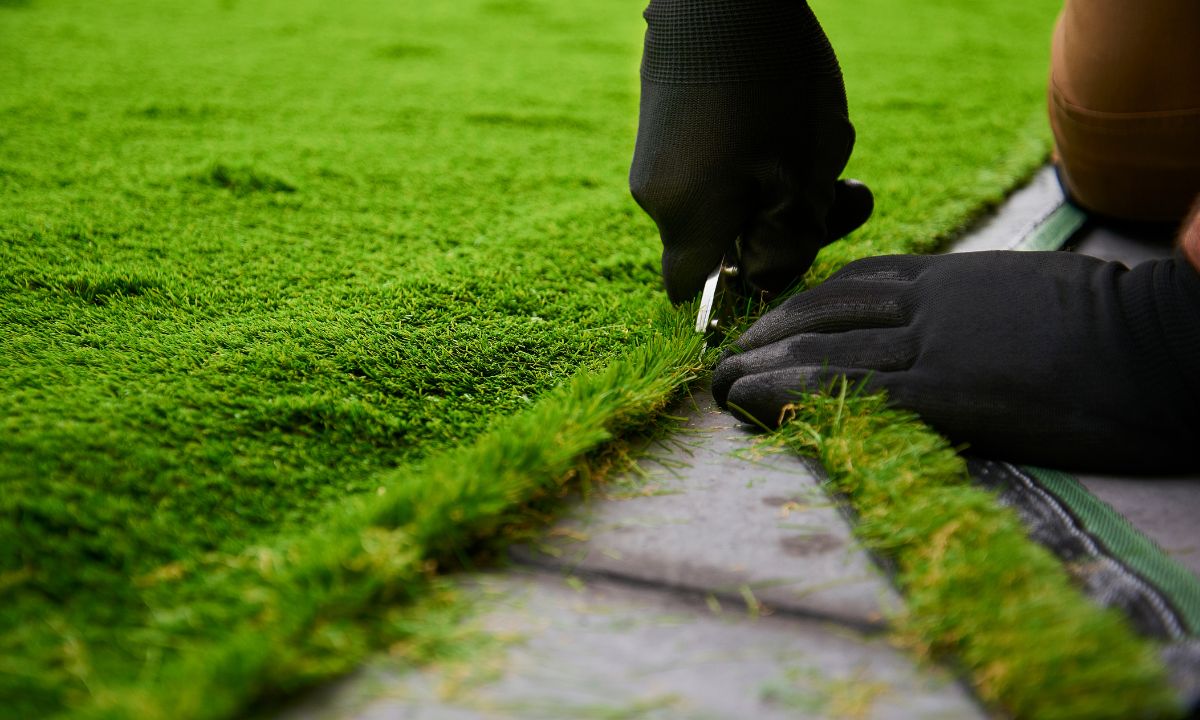
Installing artificial grass isn’t something you just roll out and forget. The ground underneath needs to be leveled, a drainage layer usually goes in, and the grass itself needs to be pinned down properly so it doesn’t shift.

If you’re into DIY projects, you can do it yourself, but a lot of people prefer getting it done professionally. Especially for front yards, where looks really matter.

Is It Environmentally Friendly?

This one surprises people. In many ways, yes, it is. No need for watering. No chemical fertilizers. No noisy gas-powered mowers. That’s a significant amount of fuel and water saved over the years.

Some newer turf products are also made from recycled materials and are recyclable themselves. So it’s not just low maintenance and it can also be a greener choice than real grass that constantly needs resources to survive.

Final thoughts

If your goal is to have a front yard that always looks fresh, without constantly having to care for it, artificial grass is definitely worth thinking about. It may not be for everyone, of course. Some people love the smell and feel of real grass, and that’s totally fair.

But if you’re just looking for a simple way to upgrade your yard, cut down on water use, and make your home look polished from the outside, artificial grass is a smart option.

Frequently Asked Questions

How costly is artificial grass?

The upfront cost can feel high, especially compared to just throwing down some real sod. On average, you’re looking at $8 to $15 per square foot if you go with professional installation. But no watering, no fertilizing, and no maintenance bills after that mean you eventually save money. Most people say it pays for itself in a few years.

What is the lifetime of artificial grass?

Good quality artificial grass can last between 10 and 20 years. If it’s in a high-traffic area, it might show wear a bit earlier, but it generally holds up really well. Most options are UV-resistant too, so they won’t fade easily under the sun.

Is artificial grass permanent?
 Not really permanent, but it’s made to stay put for a long time. If you ever want to switch it out or remove it, you can. It’s not stuck forever, but it also won’t shift or come loose unless something was wrong with the installation.