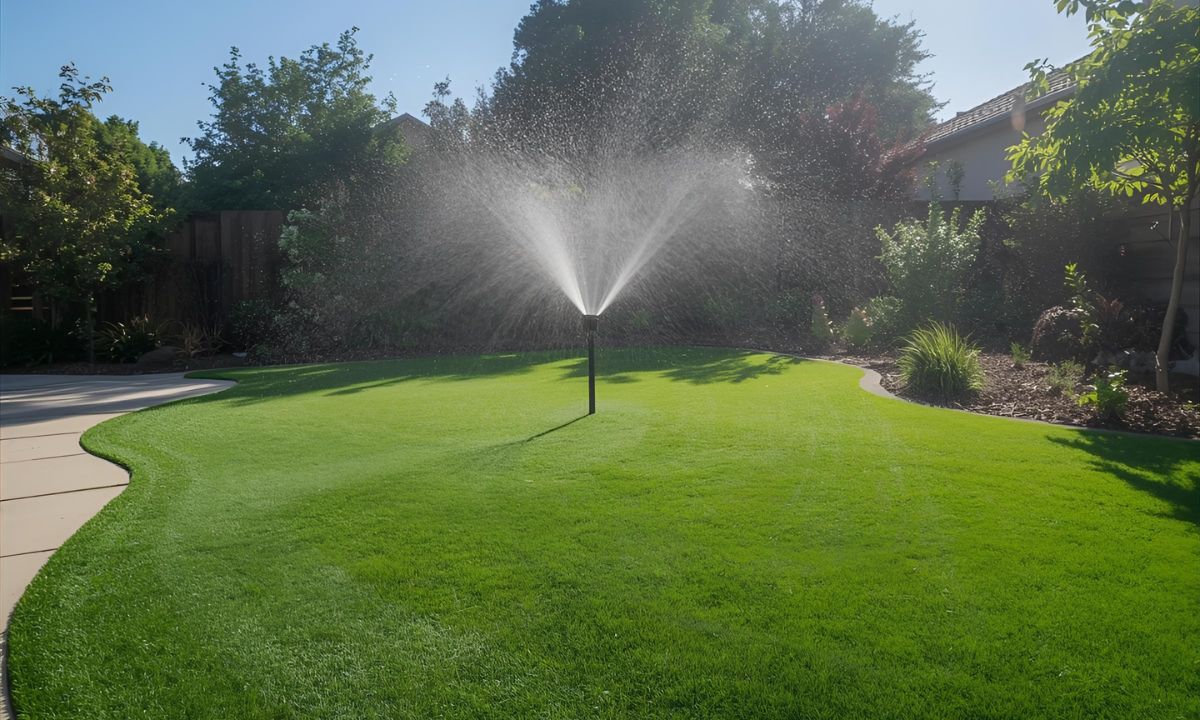
Water bills, sprinkler repairs, and endless mowing — if you’re a homeowner in California, you’re no stranger to these hidden costs of traditional lawns. But what if you could enjoy a lush, green yard year-round without those recurring expenses? That’s where artificial turf installation and landscaping services come in. In this post, we’ll explore just how much money Californian homeowners can save by switching to synthetic grass, backed by real data, expert insights, and rebate programs.
Managing a natural lawn in California involves more than just watering. Key cost components include:
Irrigation costs: Sprinklers, timers, and water bills
Maintenance: Mowing, edging, fertilizing, weed control
Equipment: Lawnmowers, trimmers, fuel, repairs
Time: Do-it-yourself effort or paid lawn-service labor
Regulatory risks: Fines or restrictions during droughts
These costs add up — and they keep recurring year after year.
Water Savings
Eliminates most irrigation usage
Reduces water bills by up to 70–100%
Reduced Maintenance Costs
No more mowing, fertilizing, or pest control
Many homeowners save $1,500–$2,500 annually on maintenance alone
Rebates & Incentives
Some California regions offer cash rebates per square foot for turf replacement
Rebates reduce upfront cost and speed up payback time
Labor & Time Savings
Maintenance drops from weekly chores to just a few hours per year
No fuel, no landscaping labor, no maintenance contracts
Long-Term ROI
While installation is a one-time expense, long-term savings allow many homeowners to recoup costs within 3–5 years
Estimated Annual Savings for California Homeowners
A typical 1,500 sq. ft. lawn can save $250–$600+ per year after switching to artificial turf.
Larger lawns with high water usage can save up to $1,000+ annually, mostly from water bill reductions.
Most households eliminate expenses for mowing, fertilizing, weed control, and irrigation repairs.
Real Homeowner Examples
Many California homeowners report saving $1,500–$3,000 every year when combining water, maintenance, and chemical cost reductions.
When eligible for state or local turf rebates, some homeowners reduce their installation expense by several thousand dollars, significantly shortening the payback period.
What Affects Your Final Savings
Local water costs and watering habits
Turf quality and installation method
Availability of rebate programs
Yard size and previous maintenance spending
Many California water management agencies support turf replacement due to significant water savings.
Academic studies have shown that synthetic turf can reduce outdoor water usage dramatically and consistently.
Industry experts estimate that Californians can reduce up to 70% of outdoor water expenses with synthetic turf during drought conditions.
These sources highlight both the environmental and financial legitimacy of artificial turf as a smart landscaping decision.
Choose High-Quality Turf
Look for UV-protected fibers and proper drainage layers
Choose professional installation to avoid future repairs
Apply for Rebates Before Installing
Check local water agency incentives
Work with installers who assist with rebate applications
Budget for Upfront Costs
Calculate long-term ROI based on your current water and lawn expenses
Include potential rebate savings when budgeting
Plan for Minimal Maintenance
Brush turf occasionally to keep blades upright
Rinse when needed to remove debris or pet waste
Consider Environmental Trade-offs
Synthetic turf conserves water and eliminates chemical fertilizers
Proper drainage design is important to manage stormwater runoff
Q1: How quickly will I recoup the cost of artificial turf?
Most homeowners recover their investment within 3–5 years through water and maintenance savings, especially if they use rebate programs.
Q2: Do I still need to water artificial turf?
Only occasionally for cleaning — turf doesn’t require regular watering for growth.
Q3: Are there rebates for turf replacement in California?
Yes, many cities and water agencies offer cash rebates per square foot for converting grass to synthetic turf.
Q4: What maintenance does artificial turf require?
Only minor maintenance such as light brushing, debris removal, and occasional rinsing. No mowing or chemical treatments needed.
Q5: Is artificial turf environmentally friendly?
It conserves water and eliminates chemical fertilizers, but it doesn’t provide habitat like natural grass. Proper drainage is recommended for runoff.
For Californian homeowners, artificial turf installation and landscaping services offer an exceptional opportunity to cut water and maintenance expenses while still enjoying a beautiful green yard. With potential yearly savings ranging from hundreds to thousands of dollars, plus turf-replacement rebates, artificial lawns often pay for themselves in just a few years.
Thinking about making the switch? Get a professional turf consultation and find out how much you could save with a customized installation for your home.
Lorem ipsum dolor sit amet, consectetur adipiscing elit, sed do eiusmod tempor incididunt ut labore et dolore magna aliqua. Ut enim ad minim veniam, quis nostrud exercitation ullamco laboris nisi ut aliquip ex ea commodo consequat. Duis aute irure dolor in reprehenderit in voluptate velit esse cillum dolore eu fugiat nulla pariatur.
May 25, 2026
Artificial turf has...
May 20, 2026
Modern cities are...
May 15, 2026
Artificial turf has...
April 20, 2026
A well-designed backyard...
April 13, 2026
Outdoor living spaces...