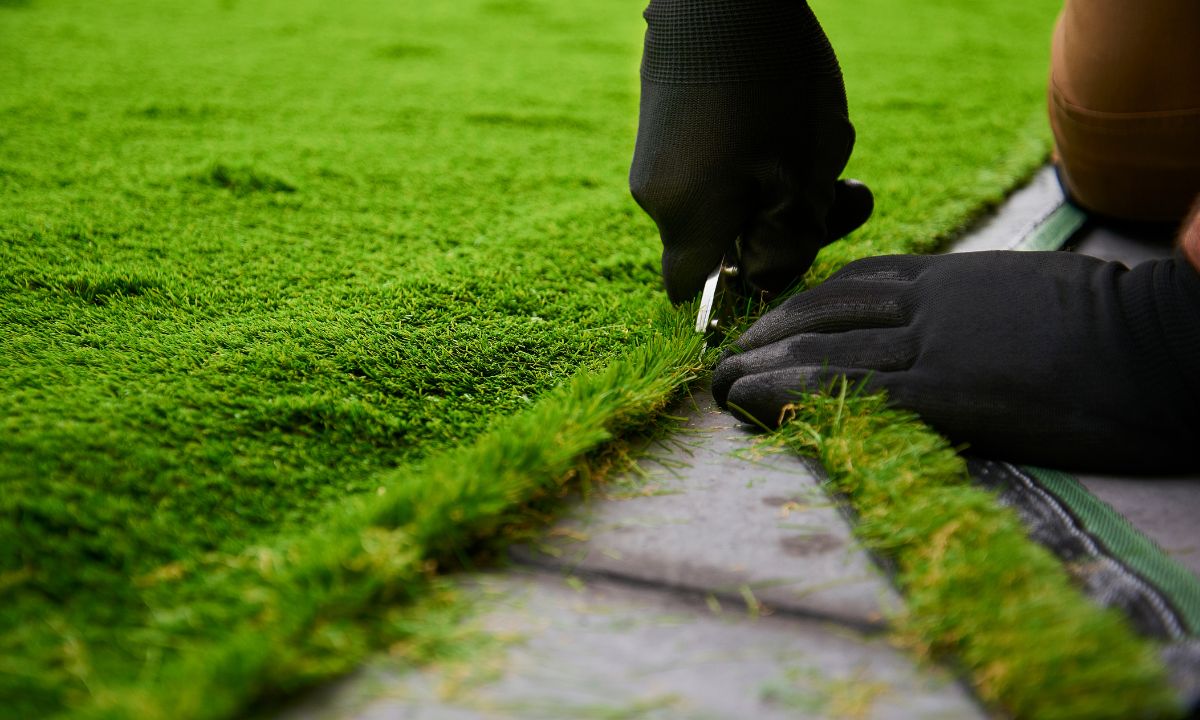
When it comes to installing artificial grass, one of the most common questions from homeowners and businesses is: “Can artificial grass drain water properly?” Proper drainage is crucial to prevent puddles, waterlogging, bad odors, and surface damage. Fortunately, modern artificial grass is designed to handle water efficiently, making it a reliable option for lawns, gardens, playgrounds, and commercial spaces.
At Discounted Landscape, we specialize in professional artificial grass installation with expert drainage solutions. This guide explains how drainage works, why it’s important, and what you need to know before installing synthetic turf.
Artificial grass features a perforated backing with small drainage holes that allow water to pass through the surface and into the underlying base. This design ensures:
The turf is installed over a prepared base, usually made of crushed stone or gravel, which further improves drainage by allowing water to flow naturally into the soil.
A well-prepared base is as important as the turf itself. Without proper base preparation, water may pool on the surface, leading to uneven drainage and possible damage. A proper base layer involves:
Professional installation ensures the slope and base are correct, so your artificial grass drains effectively even during heavy rain.
Installing artificial grass with proper drainage offers several advantages:
With these benefits, artificial grass becomes ideal for gardens, playgrounds, rooftops, pool areas, and commercial properties.
Yes! High-quality artificial grass is designed to handle heavy rainfall efficiently. Drainage holes, combined with a compacted gravel base, allow water to flow freely. Unlike natural grass, synthetic turf does not get muddy or patchy after rain, ensuring your outdoor space remains clean and usable.
Why Professional Installation Matters
Improper installation can lead to drainage problems even with the best artificial grass. Common mistakes include:
At Discounted Landscape, we ensure every installation includes:
This guarantees a long-lasting, fully functional lawn that drains water efficiently.
Artificial grass is not only aesthetically appealing but also highly functional when it comes to drainage. With proper installation and a well-prepared base, it efficiently handles water, prevents puddles, and ensures a safe, clean outdoor space.
At Discounted Landscape, we provide expert artificial grass installation with reliable drainage solutions for homes, gardens, playgrounds, and commercial properties. Enjoy a beautiful, low-maintenance lawn that stays green and dry year-round.

Lorem ipsum dolor sit amet, consectetur adipiscing elit, sed do eiusmod tempor incididunt ut labore et dolore magna aliqua. Ut enim ad minim veniam, quis nostrud exercitation ullamco laboris nisi ut aliquip ex ea commodo consequat. Duis aute irure dolor in reprehenderit in voluptate velit esse cillum dolore eu fugiat nulla pariatur.
May 25, 2026
Artificial turf has...
May 20, 2026
Modern cities are...
May 15, 2026
Artificial turf has...
April 20, 2026
A well-designed backyard...
April 13, 2026
Outdoor living spaces...