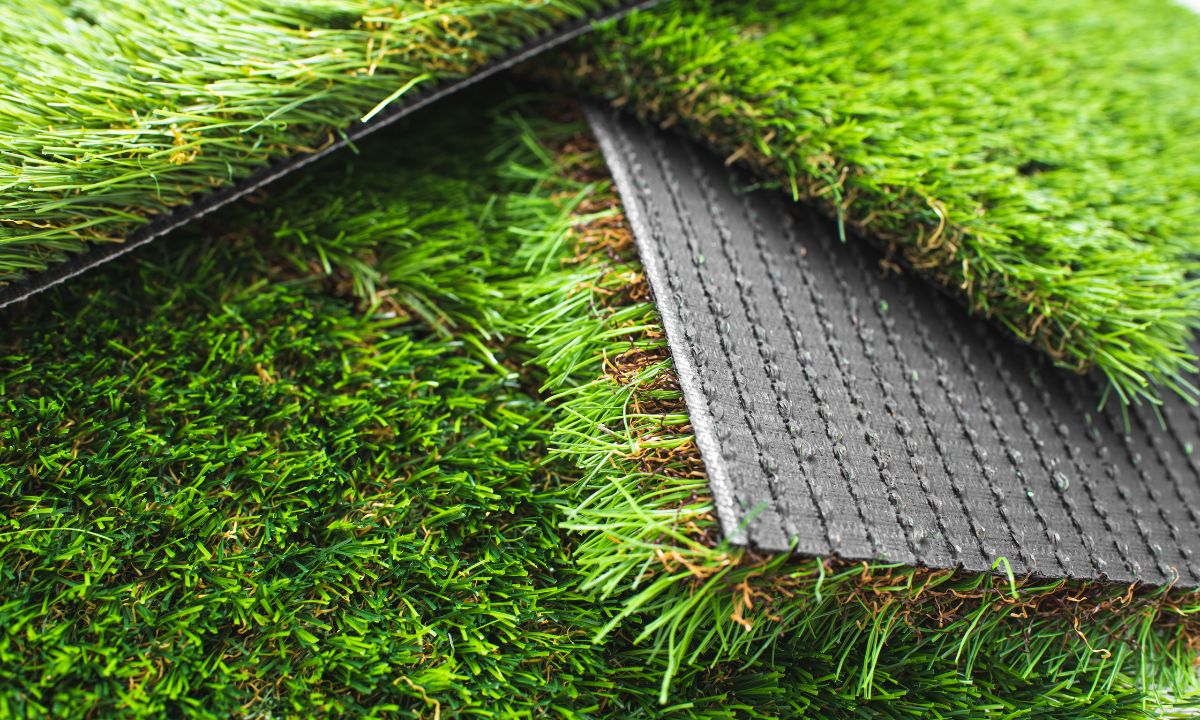
Synthetic turf, also known as artificial grass, has become a popular alternative to natural lawns for residential, commercial, and sports applications. Its lush green appearance, low maintenance needs, and durability make it ideal for homeowners, schools, and businesses. But have you ever wondered how synthetic turf is actually made?
Here’s a closer look at the fascinating process—starting from raw materials all the way to the finished lawn installed at your property.
The journey of synthetic turf begins with high-quality raw materials. The most commonly used polymers are:
Polyethylene (PE): Soft, flexible, natural grass-like texture — ideal for residential lawns and sports fields.
Polypropylene (PP): Stiffer material used mostly in thatch layers for structure and support.
Nylon (PA): Strongest and most resilient — ideal for high-traffic areas like playgrounds and sports turf.
Manufacturers also include UV stabilizers, color pigments, and antioxidants to improve durability and prevent fading in sunlight.
Once raw materials are blended, they are melted and pushed through an extruder to create thin plastic strands. These strands are:
Cooled
Stretched
Shaped into grass-like fibers
Common fibre shapes include:
Oval
Diamond (adds realistic sheen)
W-shaped (improves heat resistance)
The finished fibers are then wound onto spools for the next stage.
Tufting is the process that transforms fibers into a carpet-like sheet of turf:
Fibers are stitched into a primary backing material, usually polypropylene fabric.
The tufting machine creates thousands of stitches per square meter.
Stitch rate and density determine:
Softness
Appearance
Durability
Higher stitch rates produce a fuller, more natural-looking lawn.
After tufting, the turf receives a strong backing layer:
A latex or polyurethane (PU) coating is applied to lock fibers in place.
The turf is then heated and cured to strengthen the bond.
Drainage holes are punched to allow water to pass through easily and prevent waterlogging.
Once cured, the turf undergoes final improvements:
Trimmed to uniform blade height
Optional thatch layer added for realism
Thorough quality inspection to ensure proper color, density, and texture
The turf is then rolled and packaged for shipment.
After arriving onsite, the turf is installed through several steps:
Ground leveling and base preparation (usually crushed stone)
Laying geotextile fabric to prevent weeds
Rolling out and securing the turf
Adding infill such as silica sand or rubber granules
Brushing the fibers for a natural, upright appearance
The result is a lush, evergreen lawn ready for everyday use.
High-quality turf typically lasts 15–20 years, depending on traffic, climate, and maintenance.
Yes. It reduces water use, eliminates pesticides and fertilizers, and modern varieties use recyclable materials.
It can get warmer than natural grass, but new turf technologies help reduce surface heat.
Yes. The perforated backing allows fast drainage, keeping surfaces dry and puddle-free.
Only minimal care: occasional brushing, debris removal, and rinsing.
From polymer pellets to the vibrant green lawn in your yard, each step in the synthetic turf manufacturing process involves precision engineering and advanced technology. The result is a durable, realistic, and sustainable solution that gives you a beautiful, low-maintenance lawn all year round.
Get professional guidance, premium materials, and expert installation —
Transform your outdoor space today!
Lorem ipsum dolor sit amet, consectetur adipiscing elit, sed do eiusmod tempor incididunt ut labore et dolore magna aliqua. Ut enim ad minim veniam, quis nostrud exercitation ullamco laboris nisi ut aliquip ex ea commodo consequat. Duis aute irure dolor in reprehenderit in voluptate velit esse cillum dolore eu fugiat nulla pariatur.
May 25, 2026
Artificial turf has...
May 20, 2026
Modern cities are...
May 15, 2026
Artificial turf has...
April 20, 2026
A well-designed backyard...
April 13, 2026
Outdoor living spaces...