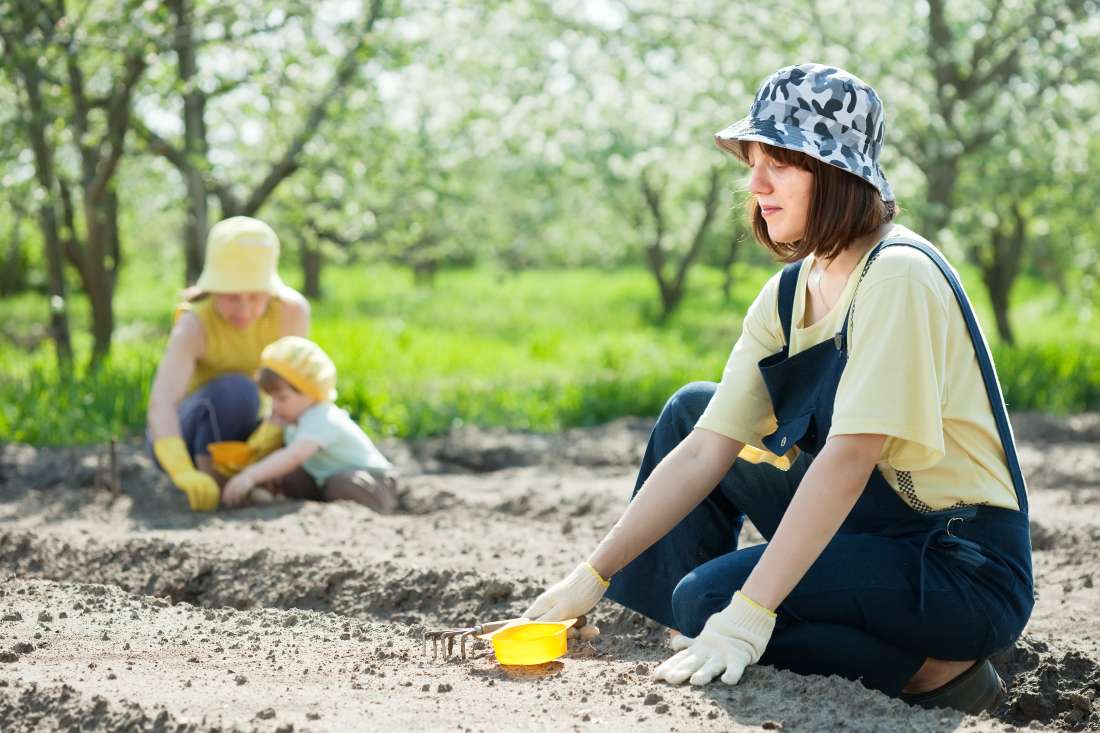
Healthy landscaping begins below the surface. Before installing turf, plants, or decorative features, the condition of your soil determines whether your yard will thrive for years or struggle after a single season. This guide explains why soil quality matters, how soil testing works, and the best ways to prepare your yard for durable, beautiful results—based on proven landscaping practices used by professionals like Discounted Landscape.
Many homeowners focus on grass type or plant selection, but poor soil conditions can prevent even the best landscaping from growing properly. Soil that lacks nutrients, drains poorly, or is compacted restricts root development and limits access to water and oxygen.
Healthy soil provides:
Essential nutrients for strong plant growth
Proper drainage to prevent root rot and disease
Balanced pH for efficient nutrient absorption
Loose structure that allows deep, stable root systems
Preparing soil before installation leads to faster establishment, longer-lasting plants, and lower long-term maintenance costs.
Soil testing is the first critical step in landscape preparation. A professional test evaluates:
pH level (acidity or alkalinity)
Macronutrients like nitrogen, phosphorus, and potassium
Micronutrients such as iron, calcium, and magnesium
Organic matter content that affects fertility and structure
Most turf and landscape plants grow best in slightly acidic to neutral soil (pH 6.0–7.0).
Acidic soil may need lime.
Alkaline soil may require sulfur or organic amendments.
Accurate testing prevents over-fertilization, saves money, and protects soil health.
Compost improves nearly every soil type by:
Increasing nutrient availability
Improving moisture retention in sandy soil
Loosening heavy clay for better drainage
Supporting beneficial soil microbes
Mixing 2–3 inches of compost into topsoil creates an ideal growing environment.
Core aeration removes small plugs of soil, allowing:
Deeper root penetration
Better airflow and water absorption
Reduced runoff and puddling
Stronger, drought-resistant turf
This is especially important in high-traffic or newly built areas.
Based on soil test results, professionals may add:
Lime to raise pH
Sulfur to lower pH
Gypsum to improve clay drainage
Slow-release fertilizers for balanced nutrition
Targeted treatment ensures long-term improvement rather than temporary fixes.
Loosen soil deeply — 4–6 inches for turf, 8–12 inches for shrubs.
Ensure proper grading to prevent drainage and foundation issues.
Water deeply, not frequently to encourage downward root growth.
Avoid planting in unprepared soil, which often causes patchy lawns and higher replacement costs.
Strong roots are the foundation of resilient, low-maintenance landscaping.
Investing in soil health delivers measurable advantages:
Faster lawn establishment and greener turf
Longer-living plants and trees
Reduced watering and fertilizer needs
Lower maintenance and repair costs
Improved curb appeal and property value
Simply put, healthy soil transforms landscaping into a lasting investment.
Beautiful outdoor spaces don’t happen by chance—they’re built on properly prepared soil. By testing, improving structure, balancing nutrients, and encouraging deep root growth, homeowners create the ideal environment for lawns and plants to thrive for years.
For expert soil preparation, lawn installation, and full-service landscaping solutions, visit Discounted Landscape at:👉 https://discountedlandscape.net/

Lorem ipsum dolor sit amet, consectetur adipiscing elit, sed do eiusmod tempor incididunt ut labore et dolore magna aliqua. Ut enim ad minim veniam, quis nostrud exercitation ullamco laboris nisi ut aliquip ex ea commodo consequat. Duis aute irure dolor in reprehenderit in voluptate velit esse cillum dolore eu fugiat nulla pariatur.
May 25, 2026
Artificial turf has...
May 20, 2026
Modern cities are...

May 15, 2026
Artificial turf has...
April 20, 2026
A well-designed backyard...
April 13, 2026
Outdoor living spaces...