logo
Address :6258 Penfield Ave
Opening Hours

Why Artificial Grass Is Becoming Popular for Pet Owners

artificial grass

Artificial turf is designed to handle heavy use, making it an attractive option for households with pets.

Unlike natural grass, synthetic turf does not develop bald patches or muddy areas. It remains consistent in appearance even with regular activity from dogs and other animals.

Modern artificial grass products are also designed with drainage systems that allow liquids to pass through the surface. This helps prevent puddles and keeps the yard cleaner.

Because of these features, artificial turf is increasingly being used in pet areas, dog parks, and residential yards.

Durability and Heavy Use

One major advantage of artificial turf is its durability.

Dogs can run, play, and explore without causing the type of damage that natural grass typically experiences. High-quality artificial turf fibers are designed to withstand constant foot traffic and maintain their shape.

This makes synthetic grass especially useful for homes with multiple pets or active dogs that spend a lot of time outdoors.

With proper installation, artificial turf can continue to look fresh and green for many years.

Cleaner Outdoor Spaces

Artificial grass helps keep outdoor areas cleaner for both pets and homeowners.

Because the surface does not turn muddy, dogs are less likely to bring dirt into the house after playing outside. This is particularly helpful during rainy seasons when natural lawns often become messy.

Pet waste can also be easier to manage on artificial turf. Solid waste can be removed quickly, and the area can be rinsed occasionally to maintain cleanliness.

Many pet owners appreciate the convenience of a yard that stays clean and usable throughout the year.

Water Savings and Reduced Lawn Care

Natural grass requires frequent watering to remain healthy, especially in warm climates.

Artificial turf eliminates the need for regular irrigation, which can significantly reduce water usage. This can also lead to lower monthly water bills.

In addition, artificial grass removes the need for mowing, fertilizing, and applying pesticides. Pet owners can enjoy a green lawn without spending hours maintaining it.

This makes artificial turf a convenient choice for homeowners who want a low-maintenance yard.

Safety for Pets

Pet safety is an important consideration when choosing landscaping materials.

High-quality artificial turf is made using non-toxic materials that are safe for pets. Many turf systems are specifically designed for pet areas and include antimicrobial features to reduce odors.

Proper drainage layers also help keep the surface dry and hygienic.

When installed correctly, artificial grass provides a comfortable and safe environment for dogs to play and relax.

Are There Any Downsides to Artificial Turf?

While artificial grass offers many benefits, there are a few factors homeowners should consider.

Synthetic turf can become warm in direct sunlight during very hot days. However, occasional rinsing with water can help cool the surface.

Another factor is the initial installation cost. Artificial turf typically requires a higher upfront investment compared to planting natural grass. However, many homeowners find that long-term savings on maintenance and water costs make it worthwhile.

Choosing the Best Option for Your Pets

Both natural grass and artificial turf can work for pet owners, but each option has different advantages.

Natural grass offers a traditional feel but requires ongoing maintenance and can be easily damaged by pets.

Artificial turf provides a more durable and low-maintenance solution that stays green year-round and handles heavy pet activity.

For many homeowners, the decision ultimately depends on how much time they want to spend maintaining their lawn and how frequently their pets use the yard.

A Pet-Friendly Backyard Solution

Creating a pet-friendly backyard means finding a balance between comfort, durability, and ease of maintenance.

Artificial grass offers a practical solution that allows pets to enjoy outdoor play while helping homeowners maintain a clean and attractive yard.

With its durability, low maintenance requirements, and ability to withstand heavy use, synthetic turf has become a popular choice for many pet owners looking to upgrade their outdoor spaces.

Frequently Asked Questions

Is artificial grass safe for dogs?

Yes. High-quality artificial turf is designed using non-toxic materials and is safe for pets when properly installed.

Does dog urine damage artificial grass?

No. Artificial grass does not develop yellow spots from dog urine like natural grass does. Proper drainage systems help liquids pass through the surface.

How do you clean artificial turf with pets?

Solid waste can be removed easily, and the area can be rinsed with water occasionally to keep it clean and fresh.

Does artificial grass smell with dogs?

When properly installed with good drainage, artificial turf does not usually develop odors. Regular cleaning helps maintain freshness.

Is artificial grass better than natural grass for dogs?

For many pet owners, artificial grass is more practical because it is durable, low maintenance, and resistant to damage from pet activity.
Artificial Grass vs Natural Grass for Pet Owners: Which One Is Better?

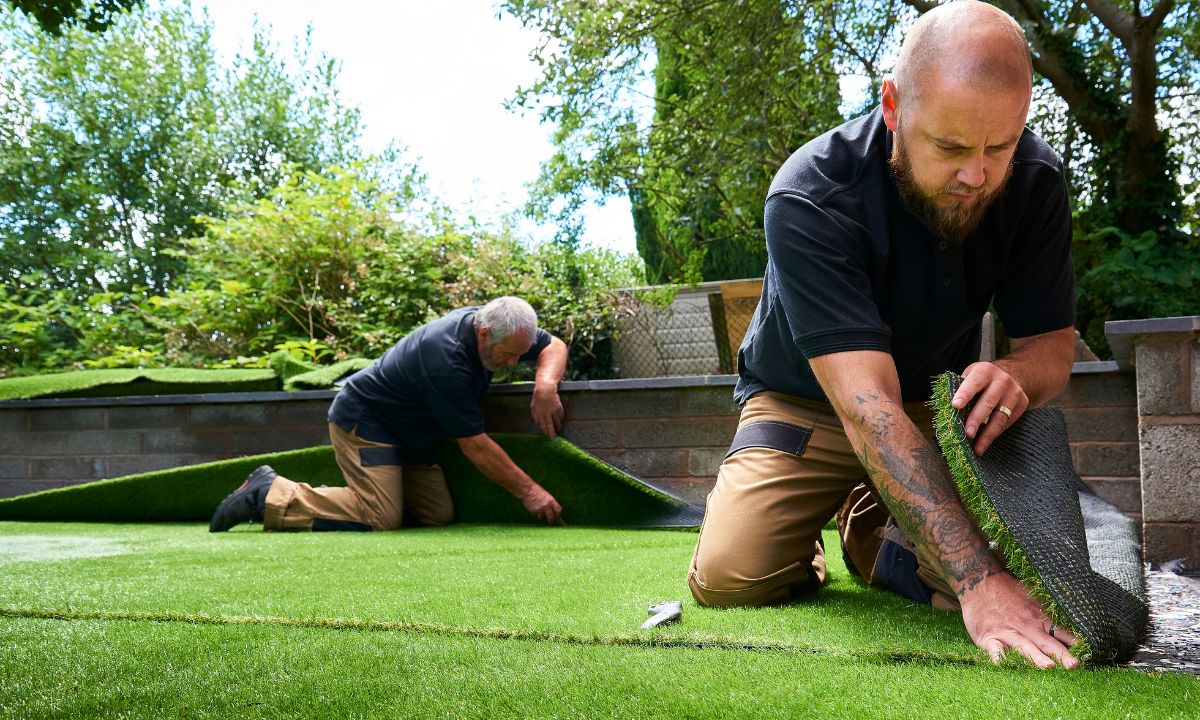
Synthetic Turf Installation

For many homeowners, pets are an important part of the family. Dogs especially love spending time outdoors—running, playing, and relaxing in the yard. However, maintaining a beautiful lawn can be challenging when pets are involved.

Natural grass lawns often develop muddy patches, holes from digging, and yellow spots caused by pet urine. These problems can quickly turn a once-green yard into an uneven and messy space.

Because of these challenges, many pet owners are now considering artificial grass as an alternative. But is synthetic turf really better for pets than natural grass? Understanding the advantages and disadvantages of each option can help homeowners make the best decision for their yard.

The Challenges of Natural Grass for Pet Owners

Natural grass lawns can look beautiful when properly maintained, but they are not always pet-friendly. Dogs can unintentionally damage grass through daily activities such as running, digging, and using the yard as their bathroom area.

One of the most common problems is the appearance of yellow or brown spots on the lawn. Dog urine contains nitrogen, which can burn natural grass and cause discoloration.

In addition to urine damage, pets often create worn paths in frequently used areas. Over time, these spots may become patchy or completely bare, leaving the yard looking uneven.

During rainy weather, natural grass can also become muddy. This leads to dirty paws and mud being tracked into the home, creating extra cleaning work for homeowners.

Maintenance Requirements for Natural Grass

Maintaining a natural lawn with pets requires ongoing care and attention.

Homeowners often need to:

  • Reseed damaged areas
  • Repair holes caused by digging
  • Water the lawn frequently
  • Apply fertilizers or soil treatments
  • Clean pet waste regularly

Even with regular maintenance, keeping a natural lawn healthy while accommodating pets can be difficult. Some areas may never fully recover due to repeated use by dogs.

This is one of the main reasons why many pet owners explore alternative landscaping solutions.


How Artificial Turf Helps California Homes Save Thousands of Gallons of Water Every Year

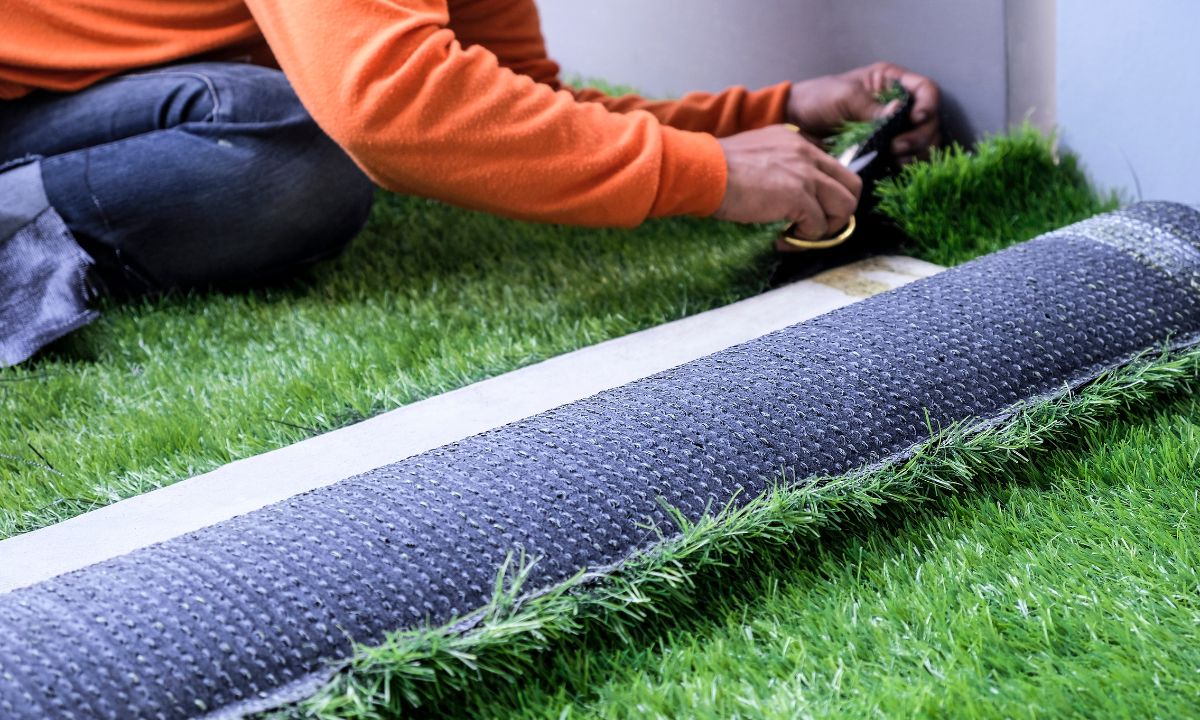
Artificial Turf Installation

Water conservation has become one of the most important concerns for homeowners in California. With ongoing drought conditions, rising water prices, and strict watering regulations, maintaining a traditional lawn is becoming increasingly difficult.

Many homeowners are now searching for landscaping solutions that help reduce water consumption while still maintaining a beautiful outdoor space. One of the most effective solutions is artificial turf.

Artificial grass provides the appearance of a lush green lawn without the heavy water usage required by natural grass. By replacing traditional lawns with synthetic turf, homeowners can save thousands of gallons of water every year while also reducing maintenance costs.

In this guide, we will explore how artificial turf helps conserve water and why it has become a popular landscaping choice across California.

The Water Problem in California

California has experienced recurring droughts for many years. These drought conditions have forced cities and communities to implement strict water conservation measures.

Outdoor watering accounts for a large portion of residential water usage. In fact, lawns often consume more water than any other part of a household.

Traditional grass requires frequent irrigation to remain healthy, especially during hot summer months. Without regular watering, lawns quickly turn brown or develop dry patches.

As water becomes more expensive and limited, maintaining natural grass can place a significant burden on homeowners and the environment.

How Much Water Does a Natural Lawn Use?

A typical natural grass lawn can require tens of thousands of gallons of water every year. In warmer regions of California, lawns may need watering multiple times per week to stay green.

Factors that increase water usage include:

  • High summer temperatures
  • Poor soil conditions
  • Large lawn areas
  • Evaporation from sunlight and heat

Even efficient irrigation systems cannot completely prevent water waste. A significant portion of water evaporates before reaching the roots of the grass.

Because of these factors, many homeowners are looking for ways to reduce their lawn’s water consumption.

Artificial Turf Eliminates Lawn Irrigation

One of the biggest advantages of artificial turf is that it does not require regular watering.

Unlike natural grass, synthetic turf maintains its green appearance without irrigation. This allows homeowners to dramatically reduce their outdoor water usage.

The only time artificial grass may require water is for occasional cleaning or rinsing, which uses far less water than maintaining a traditional lawn.

By eliminating the need for regular watering, homeowners can save thousands of gallons of water every year

Reducing Monthly Water Bills

Another major benefit of artificial turf is the reduction in water bills.

Because lawns require large amounts of water, homeowners often see their water usage increase significantly during summer months. Maintaining a green lawn during hot weather can be costly.

When homeowners switch to artificial grass, they no longer need to irrigate their lawns regularly. This results in noticeable savings on monthly utility bills.

Over time, these savings can help offset the initial installation cost of artificial turf.

Supporting Water Conservation Efforts

Water conservation is a priority for many California communities. Local governments often encourage residents to reduce outdoor water usage through conservation programs and regulations.

By installing artificial turf, homeowners contribute to these conservation efforts by lowering their household water consumption.

Some regions even offer rebates or incentives for replacing natural grass with water-efficient landscaping options.

This makes artificial turf not only environmentally responsible but also financially beneficial.

Maintaining a Green Lawn Year-Round

One challenge with natural grass in California is keeping it green throughout the year.

During drought restrictions, homeowners may be required to limit watering, which often results in dry or brown lawns. Maintaining a healthy lawn under these conditions can be difficult.

Artificial turf solves this problem by providing a consistently green lawn regardless of weather conditions or water restrictions.

This allows homeowners to enjoy a beautiful outdoor space without worrying about seasonal changes or irrigation limits.

Additional Environmental Benefits

In addition to saving water, artificial turf also reduces the need for lawn maintenance products that can harm the environment.

Natural grass lawns often require fertilizers, pesticides, and herbicides to stay healthy. These chemicals can enter the soil and water supply, potentially causing environmental damage.

Artificial turf eliminates the need for these chemicals, making it a cleaner and more sustainable landscaping option.

Furthermore, synthetic lawns do not require gas-powered lawn mowers or trimmers, which helps reduce air pollution.

Ideal for Drought-Prone Areas

California’s climate makes water-efficient landscaping especially important. Artificial turf is particularly well suited for areas that experience long dry seasons or limited rainfall.

Many homeowners choose synthetic grass for:

  • Front lawns
  • Backyards
  • Pet areas
  • Playgrounds
  • Pool surroundings

Because artificial turf performs well in dry climates, it has become a popular choice in many California communities.

A Long-Term Landscaping Solution

Artificial turf is designed to last for many years while maintaining its appearance.

High-quality synthetic grass can last 15 to 20 years or more with proper installation and minimal maintenance. During that time, homeowners benefit from reduced water usage and lower maintenance costs.

This long lifespan makes artificial turf a practical long-term investment for many properties.

Why More California Homeowners Are Choosing Artificial Turf

As water conservation becomes increasingly important, homeowners are looking for landscaping solutions that balance beauty with sustainability.

Artificial turf offers the perfect combination of durability, water savings, and low maintenance. It allows homeowners to maintain an attractive lawn while significantly reducing their environmental impact.

By switching to synthetic grass, homeowners not only save water but also simplify lawn care and reduce long-term landscaping expenses.

Frequently Asked Questions

How much water can artificial turf save?

Artificial turf can save thousands of gallons of water per year because it eliminates the need for regular lawn irrigation.

Does artificial grass need any water?

Artificial grass only requires occasional rinsing for cleaning purposes. It does not need regular watering like natural grass.

Is artificial turf good for drought-prone areas?

Yes, artificial turf is ideal for drought-prone regions because it helps reduce water consumption while maintaining a green lawn.

Can artificial turf reduce water bills?

Yes. By eliminating lawn irrigation, homeowners can significantly reduce their monthly water bills.

How long does artificial turf last?

High-quality artificial grass typically lasts 15 to 20 years, depending on usage and installation quality.

The Hidden Cost of Natural Grass in California (And Why Homeowners Are Switching to Artificial Turf)

A lush green lawn has long been a symbol of a beautiful home. However, in California, maintaining natural grass is becoming increasingly expensive and difficult. Rising water costs, strict drought regulations, and ongoing lawn maintenance are causing many homeowners to reconsider traditional lawns.

Because of these challenges, more property owners are turning to artificial turf as a cost-effective and sustainable alternative. While natural grass may seem cheaper at first, the long-term expenses often make it far more costly than people expect.

This guide explores the hidden costs of natural grass in California and why artificial turf is becoming a popular landscaping solution.

Why Maintaining Natural Grass in California Is Expensive

California’s climate creates unique challenges for maintaining a healthy lawn. Hot summers, drought conditions, and water restrictions make natural grass difficult and expensive to maintain.

Homeowners must invest in constant watering, lawn care equipment, fertilizers, and pest control to keep grass looking green. Over time, these expenses add up significantly.

Additionally, many cities in California have introduced water conservation policies that limit outdoor water use. These regulations make maintaining traditional lawns even more complicated and costly.

The Real Cost of Watering Your Lawn

Water is one of the biggest hidden expenses of natural grass.

A typical lawn can require tens of thousands of gallons of water every year to stay green. In drought-prone regions of California, this leads to higher water bills and environmental concerns.

During the summer months, lawns often need watering multiple times per week. As water rates increase, homeowners may notice a significant rise in their monthly utility bills.

Artificial turf eliminates this problem entirely because it requires no regular watering, making it an excellent solution for water conservation.

Ongoing Lawn Maintenance Expenses

Natural grass requires continuous care throughout the year. Even a small lawn can require frequent maintenance to keep it healthy.

Common lawn maintenance costs include:

  • Lawn mowing equipment or landscaping services
  • Fertilizers and soil treatments
  • Weed control products
  • Pest management solutions
  • Seasonal lawn repair and reseeding

For many homeowners, hiring a professional landscaper becomes necessary. Monthly landscaping services can quickly add up, increasing the overall cost of maintaining a natural lawn.

Artificial turf significantly reduces these maintenance requirements, saving both time and money.

The Environmental Impact of Traditional Lawns

Maintaining natural grass also has environmental consequences.

Gas-powered lawn equipment contributes to air pollution, while chemical fertilizers and pesticides can contaminate soil and water sources. Additionally, excessive watering places stress on California’s already limited water supply.

Because artificial turf requires minimal water and no chemical treatments, it can help reduce environmental impact while still providing a green, attractive outdoor space.

Repair and Replacement Costs

Natural grass lawns often develop problems over time. Heavy foot traffic, pets, weather conditions, and pests can damage grass and create bare patches.

To restore the lawn’s appearance, homeowners may need to:

  • Reseed damaged areas
  • Replace sections of sod
  • Improve soil quality
  • Treat fungal infections or pests

These repairs can become frequent, especially in high-traffic areas such as backyards, play areas, or pet spaces.

Artificial turf, on the other hand, is designed to withstand heavy use and maintain its appearance for many years with minimal repairs.

Artificial Turf: A Cost-Effective Alternative

Artificial turf offers several advantages that make it a smart investment for homeowners in California.

Once installed, synthetic grass requires very little maintenance compared to natural lawns. There is no need for watering, mowing, fertilizing, or reseeding.

Some of the key benefits include:

  • Reduced water usage
  • Minimal maintenance requirements
  • Consistent green appearance year-round
  • Durability in high-traffic areas
  • Long lifespan

While the initial installation cost may be higher than planting grass, the long-term savings often make artificial turf a more economical option.

Long-Term Savings with Artificial Grass

Many homeowners are surprised to learn how much money they can save after switching to artificial turf.

Over several years, the savings from reduced water bills and lawn care expenses can offset the installation cost. Additionally, homeowners no longer need to spend time maintaining their lawns, making artificial grass a convenient solution for busy households.

Because artificial turf stays green throughout the year, it also enhances curb appeal and can improve the overall appearance of a property.

Why More California Homeowners Are Making the Switch

With rising water prices, ongoing drought conditions, and increasing maintenance costs, traditional lawns are becoming less practical in many parts of California.

Artificial turf provides a modern landscaping solution that combines beauty, durability, and sustainability. It allows homeowners to enjoy a lush green lawn without the ongoing expenses and environmental impact of natural grass.

For many property owners, switching to artificial turf is not just a landscaping upgrade—it’s a long-term investment in convenience and cost savings.


Frequently Asked Questions

Is artificial turf cheaper than natural grass?

In the long run, artificial turf is often cheaper than natural grass. While the installation cost is higher, homeowners save money on water bills, lawn care services, fertilizers, and equipment over time.

How long does artificial turf last?

High-quality artificial turf can last 15 to 20 years depending on usage, installation quality, and maintenance.

Does artificial grass require any maintenance?

Artificial turf requires very little maintenance. Occasional cleaning, brushing, and removing debris are usually enough to keep it looking fresh.

Is artificial turf environmentally friendly?

Artificial turf helps conserve water and eliminates the need for chemical fertilizers and pesticides. This makes it a more environmentally friendly landscaping option in drought-prone regions.

Can artificial turf handle pets and heavy foot traffic?

Yes. Artificial turf is designed to withstand heavy foot traffic and is commonly used in areas with pets, children, and outdoor activities.