logo
Address :6258 Penfield Ave
Opening Hours

Soil Health 101: How to Prepare Your Yard for Long-Lasting Landscaping Success

Soil Health 101: Prepare Your Yard for Lasting Landscaping

Healthy landscaping begins below the surface. Before installing turf, plants, or decorative features, the condition of your soil determines whether your yard will thrive for years or struggle after a single season. This guide explains why soil quality matters, how soil testing works, and the best ways to prepare your yard for durable, beautiful results—based on proven landscaping practices used by professionals like Discounted Landscape.

Why Soil Quality Matters Before Installing Turf or Plants

Many homeowners focus on grass type or plant selection, but poor soil conditions can prevent even the best landscaping from growing properly. Soil that lacks nutrients, drains poorly, or is compacted restricts root development and limits access to water and oxygen.

Healthy soil provides:

  • Essential nutrients for strong plant growth

  • Proper drainage to prevent root rot and disease

  • Balanced pH for efficient nutrient absorption

  • Loose structure that allows deep, stable root systems

Preparing soil before installation leads to faster establishment, longer-lasting plants, and lower long-term maintenance costs.

How Soil Testing Works and What the Results Mean

Soil testing is the first critical step in landscape preparation. A professional test evaluates:

  • pH level (acidity or alkalinity)

  • Macronutrients like nitrogen, phosphorus, and potassium

  • Micronutrients such as iron, calcium, and magnesium

  • Organic matter content that affects fertility and structure

Most turf and landscape plants grow best in slightly acidic to neutral soil (pH 6.0–7.0).

  • Acidic soil may need lime.

  • Alkaline soil may require sulfur or organic amendments.

Accurate testing prevents over-fertilization, saves money, and protects soil health.

Common Soil Improvement Techniques for Stronger Landscapes

1. Add Organic Compost

Compost improves nearly every soil type by:

  • Increasing nutrient availability

  • Improving moisture retention in sandy soil

  • Loosening heavy clay for better drainage

  • Supporting beneficial soil microbes

Mixing 2–3 inches of compost into topsoil creates an ideal growing environment.

2. Aerate Compacted Soil

Core aeration removes small plugs of soil, allowing:

  • Deeper root penetration

  • Better airflow and water absorption

  • Reduced runoff and puddling

  • Stronger, drought-resistant turf

This is especially important in high-traffic or newly built areas.

3. Apply Targeted Amendments

Based on soil test results, professionals may add:

  • Lime to raise pH

  • Sulfur to lower pH

  • Gypsum to improve clay drainage

  • Slow-release fertilizers for balanced nutrition

Targeted treatment ensures long-term improvement rather than temporary fixes.

Tips for Establishing Strong Root Systems Before Planting

  • Loosen soil deeply — 4–6 inches for turf, 8–12 inches for shrubs.

  • Ensure proper grading to prevent drainage and foundation issues.

  • Water deeply, not frequently to encourage downward root growth.

  • Avoid planting in unprepared soil, which often causes patchy lawns and higher replacement costs.

Strong roots are the foundation of resilient, low-maintenance landscaping.

Long-Term Benefits of Healthy Soil Preparation

Investing in soil health delivers measurable advantages:

  • Faster lawn establishment and greener turf

  • Longer-living plants and trees

  • Reduced watering and fertilizer needs

  • Lower maintenance and repair costs

  • Improved curb appeal and property value

Simply put, healthy soil transforms landscaping into a lasting investment.

Start Your Landscaping Project the Right Way

Beautiful outdoor spaces don’t happen by chance—they’re built on properly prepared soil. By testing, improving structure, balancing nutrients, and encouraging deep root growth, homeowners create the ideal environment for lawns and plants to thrive for years.

For expert soil preparation, lawn installation, and full-service landscaping solutions, visit Discounted Landscape at:👉 https://discountedlandscape.net/

Small Yard Landscaping Ideas That Maximize Space and Function

Small Yard Landscaping Ideas That Maximize Space and Function

Limited space doesn’t mean limited design. With the right planning and creative landscaping techniques, even the smallest yard or patio can feel open, stylish, and highly functional.

At Discounted Landscape, we help homeowners transform compact outdoor spaces into low-maintenance, beautiful environments using smart layouts, artificial turf, and space-saving design ideas.

Start With a Smart Layout

In small yards, layout matters more than size. A clear plan helps avoid clutter and makes the space feel intentional.

Instead of dividing your yard into many sections, create one or two functional zones—such as a seating area and a greenery zone. Curved edges, diagonal pathways, and open sightlines can visually expand the space and make it feel larger than it actually is.

Combine Turf, Planters, and Hard Edges

Artificial turf is a great option for small yards because it adds greenery without taking up visual space or requiring ongoing maintenance.

When paired with:

  • Raised planters

  • Border edging

  • Potted plants

…turf creates a clean, modern look while leaving room for movement and furniture. This turf-plus-planter combination works especially well for patios, side yards, and townhouse backyards.

Go Vertical to Save Ground Space

When floor space is limited, vertical landscaping becomes your best friend.

Vertical garden ideas include:

  • Wall-mounted planters

  • Hanging pots

  • Trellises with climbing plants

  • Green walls along fences

These elements add color, texture, and greenery without reducing usable space, making small yards feel lush instead of cramped.

Choose Multifunctional Features

In compact outdoor spaces, every feature should serve more than one purpose.

Examples include:

  • Seating with built-in storage

  • Raised planters that double as benches

  • Turf areas that function as play zones and relaxation spaces

This approach keeps your yard functional without overcrowding it.

DIY-Friendly, Budget-Smart Upgrades

You don’t need a full renovation to improve a small yard.

Simple, affordable ideas include:

  • Adding decorative gravel around turf edges

  • Installing solar lighting for depth and ambiance

  • Using large pots instead of ground planting

  • Refreshing borders with stone or edging

These upgrades make a noticeable difference while staying budget-friendly.

Pro Design Tricks to Make Small Yards Feel Bigger

Professional landscapers use visual tricks to open up tight spaces.

Some proven techniques:

  • Use light-colored materials to reflect light

  • Keep plant heights varied, not bulky

  • Avoid too many textures or colors

  • Maintain clean edges and clear walkways

At Discounted Landscape, we apply these principles to ensure small yards feel balanced, open, and inviting.

Why Small Yard Landscaping Is Worth the Effort

Well-designed small yards offer:

  • Better usability

  • Lower maintenance

  • Improved curb appeal

  • Higher property value

Even compact outdoor areas can become standout features with the right design choices.

Transform Your Small Yard With Discounted Landscape

Whether you’re working with a tiny patio, side yard, or urban backyard, Discounted Landscape provides custom, space-saving landscaping solutions designed to maximize both beauty and function.

FAQs

How can I make a small yard look bigger?

Using artificial turf, light-colored materials, vertical elements, and clean layout designs can make a small yard feel more open and spacious.

Is artificial turf good for small yards?

Yes. Artificial turf is ideal for small yards because it adds greenery without maintenance and visually opens up compact spaces.

What plants work best in small yards?

Potted plants, vertical garden plants, and low-growing shrubs work best because they don’t overcrowd the space.

Can I landscape a small yard on a budget?

Absolutely. Simple upgrades like decorative gravel, planters, solar lighting, and turf borders can refresh a small yard affordably.

Do small yard landscaping upgrades increase home value?

Yes. Well-designed small outdoor spaces improve usability, curb appeal, and overall property value.

Top Hardscape Materials and How to Choose Them for Any Outdoor Space

Top Hardscape Materials for Outdoor Spaces

While turf plays an important role in landscaping, hardscape elements are what give outdoor spaces structure, durability, and functionality. Walkways, patios, retaining walls, and decorative features all rely on the right hardscape materials.

At Discounted Landscape, we help homeowners choose practical, long-lasting hardscape solutions that complement artificial turf and soft landscaping beautifully.

What Is Hardscaping in Landscaping?

Hardscaping refers to the non-living elements of landscape design. These features improve usability, reduce maintenance, and enhance curb appeal.

Common hardscape features include:

  • Patios and seating areas

  • Walkways and garden paths

  • Retaining and boundary walls

  • Driveways and edging

  • Decorative gravel zones

Popular Hardscape Materials (Quick Comparison)

Material Best For Key Benefits Things to Consider
Natural Stone Patios, walkways, walls Premium look, very durable Higher cost
Brick Pathways, classic patios Timeless design, easy repair Can fade over time
Concrete Patios, driveways Affordable, versatile May crack without proper base
Gravel Pathways, modern yards Budget-friendly, drainage Needs edging
Permeable Pavers Eco-friendly spaces Water drainage, modern look Slightly higher install cost

How to Choose the Right Hardscape Material

Based on Yard Size

  • Small yards: Use light-colored stone or pavers to create an open feel

  • Large yards: Combine multiple materials to define zones

Based on Climate

  • Hot climates → stone, gravel, permeable pavers

  • Wet regions → concrete with drainage or permeable systems

  • Freeze zones → flexible pavers that resist cracking

Based on Usage

  • High-traffic areas → concrete, pavers, stone

  • Decorative zones → gravel, brick accents

Cost Comparison (General Guidance)

Material Budget Level Maintenance
Gravel Low Low
Concrete Low–Medium Low
Brick Medium Medium
Stone High Low
Permeable Pavers Medium–High Low

Choosing the right material upfront saves money on repairs and replacements later.

Blending Hardscape with Artificial Turf

The best outdoor designs balance hardscape and turf.

Popular combinations:

  • Artificial turf + stone walkways

  • Turf borders with concrete patios

  • Gravel zones between turf sections

  • Pavers surrounded by low-maintenance turf

This approach:

  • Reduces water usage

  • Improves drainage

  • Creates clean, modern aesthetics

  • Lowers overall maintenance

At Discounted Landscape, we specialize in creating seamless transitions between hardscape and artificial grass.

Why Hardscaping Is a Long-Term Investment

✔ Enhances property value
✔ Reduces landscape maintenance
✔ Improves outdoor usability
✔ Provides year-round durability
✔ Complements modern turf designs

FAQs

What are the most popular hardscape materials?

The most common hardscape materials include natural stone, concrete, brick, gravel, and permeable pavers. Each offers different benefits depending on budget, climate, and design goals.

Which hardscape material is best for patios?

Concrete and stone are popular patio choices due to their durability and low maintenance. Permeable pavers are also ideal for eco-friendly patio designs.

Is gravel a good option for walkways?

Yes. Gravel is affordable, drains well, and works well for modern or low-maintenance landscape designs when properly edged.

How do I combine hardscape with artificial turf?

Hardscape elements like pavers or stone paths can be placed between turf areas to create clean transitions, improve drainage, and reduce maintenance.

Do hardscape features increase home value?

Yes. Well-designed hardscape features enhance curb appeal, improve functionality, and increase long-term property value.

Get Expert Hardscape Solutions With Discounted Landscape

Whether you’re planning a new patio, walkway, or a full landscape upgrade, Discounted Landscape offers affordable, high-quality hardscape solutions designed to last.

Contact us today to design a functional, stylish outdoor space tailored to your needs.

Eco-Friendly Landscaping Beyond Turf: Sustainable Yard Ideas That Save Water & Support Nature

Eco-Friendly Landscaping Beyond Turf: Sustainable Yard Ideas That Save Water & Support Nature

As homeowners become more environmentally conscious, landscaping is no longer just about green lawns it’s about sustainability, water conservation, and supporting local ecosystems. At Discounted Landscape, we believe beautiful outdoor spaces can also be eco-friendly and low-maintenance.

In this guide, we explore sustainable landscaping ideas beyond traditional turf, helping you create a yard that saves water, supports nature, and enhances your property’s value.

What Does Sustainable Landscaping Really Mean?

Sustainable landscaping often called ecoscaping is the practice of designing outdoor spaces that work with nature, not against it. The goal is to reduce environmental impact while maintaining a visually appealing yard.

Key principles of sustainable landscaping include:

  • Using native and drought-tolerant plants

  • Reducing excessive water use

  • Improving soil health naturally

  • Supporting pollinators and wildlife

  • Lowering long-term maintenance costs

This approach results in landscapes that are resilient, cost-effective, and environmentally responsible.

Native Plants: A Smart Choice for Drought-Prone Areas

Native plants are adapted to the local climate, making them ideal for sustainable landscaping.

Benefits of native and drought-tolerant plants:

  • Require less water once established

  • Thrive without chemical fertilizers

  • Attract pollinators like bees and butterflies

  • Resist local pests and diseases

  • Reduce overall maintenance

At Discounted Landscape, we help homeowners select plants that suit their region, soil type, and design goals without wasting water.

Rain Gardens & Water-Saving Solutions

Rain Gardens

Rain gardens are shallow landscaped areas designed to collect and absorb rainwater from roofs and driveways. They:

  • Prevent water runoff

  • Reduce soil erosion

  • Naturally filter pollutants

  • Add visual interest to your yard

Rainwater Harvesting

Simple rain barrels or collection systems can be used to store rainwater for irrigation—cutting down on utility bills and conserving resources.

Mulch & Groundcovers: Small Changes, Big Impact

Mulching is one of the easiest ways to make your landscape more sustainable.

Why mulch and groundcovers matter:

  • Retain soil moisture

  • Reduce weed growth

  • Regulate soil temperature

  • Improve soil quality over time

Organic mulch and low-growing groundcover plants also enhance the look of garden beds while keeping maintenance minimal.

Creating Wildlife-Friendly Garden Zones

A sustainable yard doesn’t just benefit you—it supports local wildlife too.

Simple ways to attract nature:

  • Plant flowering species for pollinators

  • Include shrubs or hedges for bird shelter

  • Leave small natural areas undisturbed

  • Avoid chemical pesticides

These small changes create a balanced ecosystem and bring life, color, and movement to your outdoor space.

Why Eco-Friendly Landscaping Boosts Property Value

Sustainable landscaping is more than a trend—it’s an investment.

Homeowners benefit from:

  • Lower water and maintenance costs

  • Improved curb appeal

  • Environmentally responsible design

  • Long-lasting landscape solutions

Eco-friendly yards are increasingly attractive to modern buyers who value sustainability and smart outdoor design.

FAQs

What is eco-friendly landscaping?

Eco-friendly landscaping focuses on using sustainable practices like native plants, water-saving designs, and natural materials to reduce environmental impact while maintaining beauty.

How does sustainable landscaping save water?

It uses drought-tolerant plants, mulch, rain gardens, and efficient irrigation methods to significantly reduce water usage compared to traditional lawns.

Are native plants better for landscaping?

Yes. Native plants require less water, thrive naturally in local conditions, support pollinators, and need minimal maintenance.

What is a rain garden and how does it help?

A rain garden collects rainwater runoff and allows it to soak into the soil, reducing erosion, preventing flooding, and improving water quality.

Does eco-friendly landscaping increase property value?

Yes. Sustainable landscaping improves curb appeal, lowers long-term maintenance costs, and appeals to environmentally conscious homebuyers.

Partner With Discounted Landscape for Sustainable Outdoor Solutions

At Discounted Landscape, we specialize in affordable, eco-friendly landscaping solutions that balance beauty, function, and environmental care. Whether you’re upgrading your yard, reducing water use, or creating a nature-friendly space, our team is here to help.

Contact us today to design a sustainable landscape that works for your home and the planet.

Artificial Grass for Hotels, Restaurants, and Cafés: A Low-Maintenance Choice

artificial grass

The hospitality industry depends heavily on appearance and comfort. Hotels, restaurants, and cafés need outdoor spaces that look attractive, clean, and inviting at all times. However, maintaining natural grass in high-traffic hospitality environments can be difficult and costly. This is why many property owners are choosing artificial grass for hotels, restaurants, and cafés.

At Discounted Landscape, we help hospitality businesses create beautiful outdoor spaces with artificial turf that enhances guest experience while reducing maintenance efforts.

Enhancing Outdoor Ambiance

Outdoor seating areas, garden lounges, rooftop cafés, and poolside spaces play a major role in attracting customers. Artificial grass creates a lush, green atmosphere that enhances the overall ambiance without worrying about patchy lawns or muddy surfaces.

Guests enjoy a clean and comfortable environment, making them more likely to relax, dine longer, and return again.

Perfect for High Foot Traffic Areas

Hotels and restaurants experience constant movement from guests, staff, and service equipment. Natural grass often cannot withstand this level of usage and quickly becomes damaged.

Artificial grass is built to handle heavy foot traffic without losing its appearance. Whether it’s outdoor dining areas or hotel walkways, synthetic turf remains intact and visually appealing.

Reduced Maintenance and Operational Costs

Hospitality businesses already manage multiple operational costs. Artificial grass helps reduce landscaping expenses by eliminating the need for watering, mowing, fertilizing, and pest control.

This allows business owners to focus on customer service instead of lawn maintenance while enjoying long-term cost savings.

Hygienic and Easy to Clean

Artificial grass is easy to clean and maintain, making it ideal for restaurants and cafés. Spills, food crumbs, and dust can be quickly washed away. It also prevents mud, which keeps guest footwear clean.

High-quality artificial grass installed by Discounted Landscape includes proper drainage to prevent water buildup and odors.

Suitable for All Weather Conditions

Rain, heat, or shade—artificial grass performs well in all conditions. It dries quickly after rain and does not become slippery or muddy, ensuring guest safety.

FAQs:

Is artificial grass safe for dining areas?
Yes, it is non-toxic, hygienic, and safe for guests.

Can artificial grass be installed on rooftops?
Yes, it is lightweight and ideal for rooftops and terraces.

Does artificial grass fade under sunlight?
High-quality turf is UV-resistant and maintains its color for years.

Is artificial grass suitable for poolside areas?
Yes, it offers good drainage and a slip-resistant surface.

Can Artificial Grass Drain Water Properly? Drainage Explained

Artificial grass

When it comes to installing artificial grass, one of the most common questions from homeowners and businesses is: Can artificial grass drain water properly? Proper drainage is crucial to prevent puddles, waterlogging, bad odors, and surface damage. Fortunately, modern artificial grass is designed to handle water efficiently, making it a reliable option for lawns, gardens, playgrounds, and commercial spaces.

At Discounted Landscape, we specialize in professional artificial grass installation with expert drainage solutions. This guide explains how drainage works, why it’s important, and what you need to know before installing synthetic turf.

How Artificial Grass Drainage Works

Artificial grass features a perforated backing with small drainage holes that allow water to pass through the surface and into the underlying base. This design ensures:

  • Quick water flow after rain or cleaning
  • No water accumulation on the surface
  • Prevention of muddy patches that are common with natural grass

The turf is installed over a prepared base, usually made of crushed stone or gravel, which further improves drainage by allowing water to flow naturally into the soil.

Importance of a Proper Base Layer

A well-prepared base is as important as the turf itself. Without proper base preparation, water may pool on the surface, leading to uneven drainage and possible damage. A proper base layer involves:

  1. Excavation and leveling – Removing existing soil and leveling the area for even water flow.
  2. Installing crushed stone or gravel – This porous layer ensures water can pass through easily.
  3. Compacting the base – Ensures the ground is stable and prevents sinking or bumps.

Professional installation ensures the slope and base are correct, so your artificial grass drains effectively even during heavy rain.

Benefits of Artificial Grass Drainage

Installing artificial grass with proper drainage offers several advantages:

  • No standing water: Prevents puddles, waterlogging, and damage to the turf.
  • Quick-drying surface: Grass dries faster than natural lawns, making it safe for walking or playing.
  • Prevents odors and mold: Proper drainage avoids moisture accumulation that can cause mold and unpleasant smells.
  • Low maintenance: Reduces the need for constant watering or lawn repairs.

With these benefits, artificial grass becomes ideal for gardens, playgrounds, rooftops, pool areas, and commercial properties.

Can Artificial Grass Handle Heavy Rain?

Yes! High-quality artificial grass is designed to handle heavy rainfall efficiently. Drainage holes, combined with a compacted gravel base, allow water to flow freely. Unlike natural grass, synthetic turf does not get muddy or patchy after rain, ensuring your outdoor space remains clean and usable.

Why Professional Installation Matters

Improper installation can lead to drainage problems even with the best artificial grass. Common mistakes include:

  • Skipping the base layer or using poor-quality materials
  • Failing to create a proper slope for water runoff
  • Using low-grade turf without sufficient drainage holes

At Discounted Landscape, we ensure every installation includes:

  • A well-compacted base
  • Proper slope for water flow
  • High-quality turf with optimal drainage design

This guarantees a long-lasting, fully functional lawn that drains water efficiently.

FAQs About Artificial Grass Drainage

  1. Does artificial grass drain better than natural grass?
    Yes. Artificial grass has built-in drainage holes and a permeable base, allowing water to flow quickly and preventing puddles.
  2. Can artificial grass handle heavy rain?
    Absolutely. When installed correctly, artificial grass can handle heavy rainfall without waterlogging or surface damage.
  3. Will water pool on artificial grass?
    Not if it is installed with a proper base and slope. Professional installation prevents water pooling.
  4. Can artificial grass be installed in areas with poor soil drainage?
    Yes. The gravel or crushed stone base improves overall drainage, making artificial grass suitable for areas with clay or compacted soil.
  5. How do I clean artificial grass after rain?
    Simply use a broom or hose to remove debris. Water will naturally drain through the turf, leaving it clean and dry.

Conclusion

Artificial grass is not only aesthetically appealing but also highly functional when it comes to drainage. With proper installation and a well-prepared base, it efficiently handles water, prevents puddles, and ensures a safe, clean outdoor space.

At Discounted Landscape, we provide expert artificial grass installation with reliable drainage solutions for homes, gardens, playgrounds, and commercial properties. Enjoy a beautiful, low-maintenance lawn that stays green and dry year-round.

Why Businesses Are Switching to Artificial Grass for Landscaping

artificial grass for commercial landscaping

In today’s competitive market, businesses are constantly looking for ways to improve their appearance while reducing operating costs. Landscaping plays a major role in how customers, clients, and visitors perceive a business. A well-maintained outdoor area creates a positive first impression, but maintaining natural grass can be expensive, time-consuming, and unpredictable. This is why more businesses are switching to artificial grass for commercial landscaping.

At Discounted Landscape, we have seen a growing demand for artificial turf from offices, retail stores, schools, warehouses, and commercial properties. Businesses want a landscaping solution that looks professional, lasts long, and requires minimal effort and artificial grass delivers exactly that.

Consistent Green Look All Year Round

One of the biggest advantages of artificial grass is its year-round visual appeal. Natural grass often suffers from brown patches, uneven growth, and seasonal damage. During hot summers or heavy rains, maintaining a healthy lawn becomes even more difficult.

Artificial grass stays green and fresh regardless of weather conditions. Whether it’s extreme heat, heavy foot traffic, or lack of sunlight, synthetic turf maintains a neat and uniform appearance. This consistency helps businesses maintain a professional and welcoming environment at all times.

Lower Maintenance and Long-Term Cost Savings

Traditional grass requires regular watering, mowing, fertilizing, pest control, and lawn repairs. For businesses managing large outdoor areas, these maintenance costs can quickly add up.

Artificial grass significantly reduces these expenses. Once installed, it requires only basic cleaning and occasional brushing. There is no need for irrigation systems, lawn equipment, or landscaping crews. Over time, businesses save money on water bills, labor costs, and lawn care products.

Ideal for High-Traffic Commercial Areas

Commercial spaces often experience heavy foot traffic, delivery movement, and frequent use. Natural grass struggles to survive under such conditions and quickly turns muddy or damaged.

Artificial grass is designed to handle high foot traffic without wear and tear. It remains intact and visually appealing even in busy areas such as walkways, entry points, and shared outdoor spaces.

Environmentally Friendly Landscaping Option

Many businesses are now focusing on sustainability and eco-friendly practices. Artificial grass helps reduce water consumption, eliminate chemical fertilizers, and minimize carbon emissions from lawn maintenance equipment.

By choosing artificial grass, businesses contribute to water conservation while maintaining a green outdoor space. This also enhances the company’s eco-conscious image.

Why Choose Discounted Landscape?

At Discounted Landscape, we provide high-quality artificial grass solutions tailored to commercial needs. Our professional installation ensures proper drainage, durability, and a natural look that complements your business environment.

FAQs

Is artificial grass suitable for commercial landscaping?
Yes, artificial grass is widely used in offices, retail spaces, schools, hospitals, and commercial properties.

How long does commercial artificial grass last?
With professional installation, it can last 10 to 15 years or more.

Does artificial grass require watering?
No, it only needs occasional rinsing for cleaning purposes.

Is artificial grass safe for daily foot traffic?
Yes, it is durable, non-toxic, and designed for frequent use.

How Much Money Can California Homeowners Save with Artificial Turf?

Artificial Turf Installation and Landscaping Services

Water bills, sprinkler repairs, and endless mowing — if you’re a homeowner in California, you’re no stranger to these hidden costs of traditional lawns. But what if you could enjoy a lush, green yard year-round without those recurring expenses? That’s where artificial turf installation and landscaping services come in. In this post, we’ll explore just how much money Californian homeowners can save by switching to synthetic grass, backed by real data, expert insights, and rebate programs.

Why Artificial Turf Installation Makes Financial Sense in California

The Cost Drivers of Natural Lawns

Managing a natural lawn in California involves more than just watering. Key cost components include:

  • Irrigation costs: Sprinklers, timers, and water bills

  • Maintenance: Mowing, edging, fertilizing, weed control

  • Equipment: Lawnmowers, trimmers, fuel, repairs

  • Time: Do-it-yourself effort or paid lawn-service labor

  • Regulatory risks: Fines or restrictions during droughts

These costs add up — and they keep recurring year after year.

How Artificial Turf Saves Money — Major Categories

  1. Water Savings

    • Eliminates most irrigation usage

    • Reduces water bills by up to 70–100%

  2. Reduced Maintenance Costs

    • No more mowing, fertilizing, or pest control

    • Many homeowners save $1,500–$2,500 annually on maintenance alone

  3. Rebates & Incentives

    • Some California regions offer cash rebates per square foot for turf replacement

    • Rebates reduce upfront cost and speed up payback time

  4. Labor & Time Savings

    • Maintenance drops from weekly chores to just a few hours per year

    • No fuel, no landscaping labor, no maintenance contracts

  5. Long-Term ROI

    • While installation is a one-time expense, long-term savings allow many homeowners to recoup costs within 3–5 years

How Much Can You Actually Save? Real-World Scenarios (Simplified)

Estimated Annual Savings for California Homeowners

  • A typical 1,500 sq. ft. lawn can save $250–$600+ per year after switching to artificial turf.

  • Larger lawns with high water usage can save up to $1,000+ annually, mostly from water bill reductions.

  • Most households eliminate expenses for mowing, fertilizing, weed control, and irrigation repairs.

Real Homeowner Examples

  • Many California homeowners report saving $1,500–$3,000 every year when combining water, maintenance, and chemical cost reductions.

  • When eligible for state or local turf rebates, some homeowners reduce their installation expense by several thousand dollars, significantly shortening the payback period.

What Affects Your Final Savings

  • Local water costs and watering habits

  • Turf quality and installation method

  • Availability of rebate programs

  • Yard size and previous maintenance spending

Expert Insights & Credibility (E-E-A-T)

  • Many California water management agencies support turf replacement due to significant water savings.

  • Academic studies have shown that synthetic turf can reduce outdoor water usage dramatically and consistently.

  • Industry experts estimate that Californians can reduce up to 70% of outdoor water expenses with synthetic turf during drought conditions.

These sources highlight both the environmental and financial legitimacy of artificial turf as a smart landscaping decision.

Practical Tips for Maximizing Savings with Artificial Turf

  1. Choose High-Quality Turf

    • Look for UV-protected fibers and proper drainage layers

    • Choose professional installation to avoid future repairs

  2. Apply for Rebates Before Installing

    • Check local water agency incentives

    • Work with installers who assist with rebate applications

  3. Budget for Upfront Costs

    • Calculate long-term ROI based on your current water and lawn expenses

    • Include potential rebate savings when budgeting

  4. Plan for Minimal Maintenance

    • Brush turf occasionally to keep blades upright

    • Rinse when needed to remove debris or pet waste

  5. Consider Environmental Trade-offs

    • Synthetic turf conserves water and eliminates chemical fertilizers

    • Proper drainage design is important to manage stormwater runoff

FAQs:

Q1: How quickly will I recoup the cost of artificial turf?
Most homeowners recover their investment within 3–5 years through water and maintenance savings, especially if they use rebate programs.

Q2: Do I still need to water artificial turf?
Only occasionally for cleaning — turf doesn’t require regular watering for growth.

Q3: Are there rebates for turf replacement in California?
Yes, many cities and water agencies offer cash rebates per square foot for converting grass to synthetic turf.

Q4: What maintenance does artificial turf require?
Only minor maintenance such as light brushing, debris removal, and occasional rinsing. No mowing or chemical treatments needed.

Q5: Is artificial turf environmentally friendly?
It conserves water and eliminates chemical fertilizers, but it doesn’t provide habitat like natural grass. Proper drainage is recommended for runoff.

Conclusion

For Californian homeowners, artificial turf installation and landscaping services offer an exceptional opportunity to cut water and maintenance expenses while still enjoying a beautiful green yard. With potential yearly savings ranging from hundreds to thousands of dollars, plus turf-replacement rebates, artificial lawns often pay for themselves in just a few years.

Thinking about making the switch? Get a professional turf consultation and find out how much you could save with a customized installation for your home.

What Makes Professional Turf Installation Better Than DIY?

professional artificial turf installation and landscaping services

When it comes to artificial turf installation and landscaping services, many homeowners wonder: Can I do it myself? While a DIY approach might seem cheaper upfront, hiring a professional installer often delivers greater long-term value, durability, and peace of mind. In this post, we’ll explore why professional turf installation generally outperforms DIY, backed by expert insight, real-world examples, and sound technical reasoning.

Why Choose Professional Artificial Turf Installation?

Expertise & Experience Matter

  • Ground Preparation & Drainage
    Professionals don’t just roll out turf — they evaluate soil, grade the land, and ensure proper drainage. They often remove topsoil, prepare a sub-base (like crushed rock), compact it, and incorporate drainage systems if needed.

  • Correct Seaming & Installation Techniques
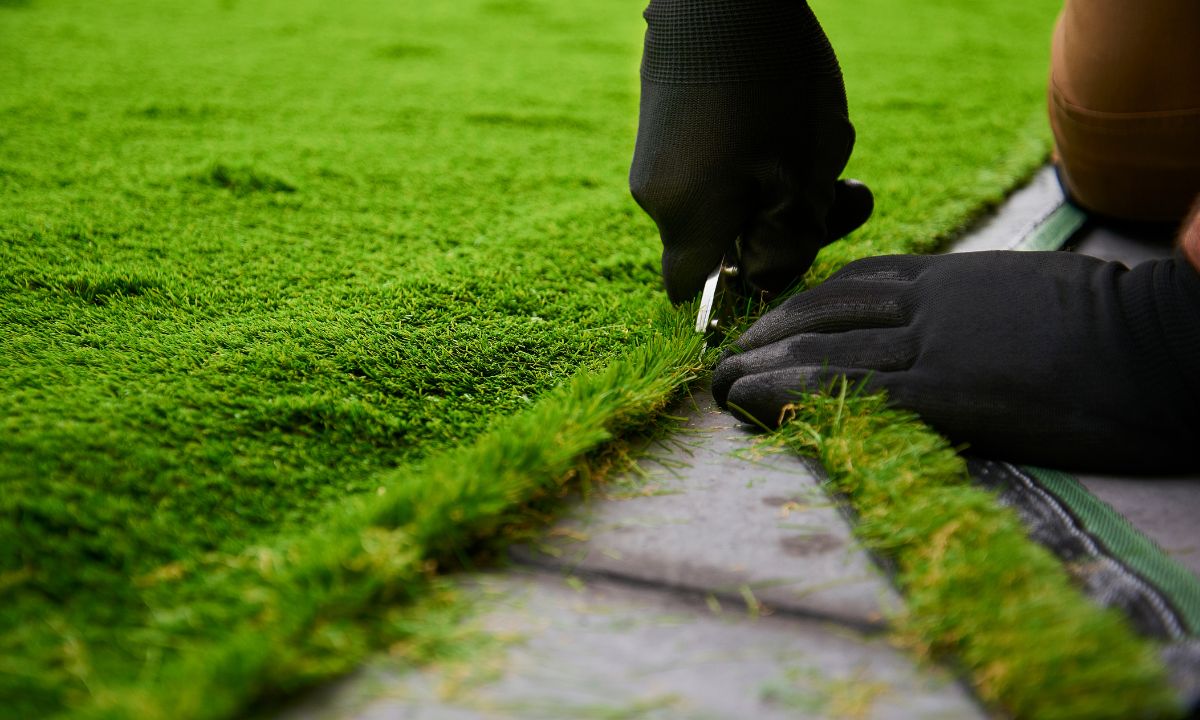
    Pros use specialized tools (utility knives, turf cutters) to make clean edges and seam turf in ways that minimize visible joins. Poor seaming can lead to turf lifting, gaps, or visible lines.

  • Anchor & Infill Precision
    Proper anchoring and infill are essential for long-term stability. Installers know how to secure edges and apply infill material optimally so blades stay upright, drainage functions well, and the turf resists wear.

  • Warranty & Quality Assurance
    Many professional installations come with warranties — on both materials and workmanship. DIY mistakes often void manufacturer warranties.

Cost Efficiency — Long Term vs Short Term

Immediate vs Hidden Costs

While DIY might seem cheaper initially, professionals can actually save money in unexpected ways:

  1. Tool Rental & Labor
    Installing turf requires tools like plate compactors, seam irons, measuring equipment. Renting these can add up quickly.

  2. Material Efficiency
    Pros often have supplier relationships, helping them get better turf or base material prices.

  3. Reducing Rework Risk
    Mistakes in drainage or base prep can force a reinstallation — which costs far more.

  4. Time Savings
    Experienced installers typically finish much faster — often in a day or two — returning your outdoor space quickly to usable condition.

ROI and Property Value

  • A professionally installed turf boosts curb appeal, giving you a polished look with smooth transitions and edges.

  • Professional installations follow similar value principles seen in sod installs, often increasing resale potential and home appeal.

Longevity, Performance & Safety

  • Durability: With correct base compaction and infill, professionally installed turf can last 15–20 years.

  • Drainage: Poor drainage leads to puddles, mold, and turf degradation. Pros design sub-bases and drainage systems to avoid this.

  • Aesthetics & Comfort: Professional installers know how to make turf look natural. They align the grain, ensure blade memory, and cut around curves or obstacles elegantly.

  • Safety & Liability: Professionals are trained in safe installation practices and consider underground utilities, reducing risk of accidents.

Trust, Compliance & Environmental Benefits

  • Warranty Compliance: Many turf manufacturers stipulate that warranty is valid only if the installation is done professionally.

  • Regulatory Compliance: Professionals are aware of local building codes, HOA rules, and zoning regulations, ensuring turf installation is compliant.

  • Sustainable Practices: Expert installers often use eco-friendly materials, recycle old turf, and implement water-conserving designs.

Comparing DIY vs. Professional: Simple Breakdown

DIY Turf Installation

  • Lower initial cost because you avoid labor fees.

  • Requires high time investment since you handle every step.

  • Needs specialized tools such as compactors, cutters, and measuring tools.

  • Higher risk of mistakes in grading, drainage, and seaming.

  • Warranty is often limited or void due to non-professional installation.

  • Turf lifespan may be shorter due to improper base or infill application.

  • Final look may include visible seams or uneven turf.

  • May require rework, leading to extra expenses later.

Professional Turf Installation

  • Higher upfront cost due to skilled labor and professional equipment.

  • Much faster completion time — usually within a day or two.

  • All required tools and installation expertise are included.

  • Low risk of issues because installers follow proven methods.

  • Full warranty on both materials and workmanship in most cases.

  • Turf typically lasts 15–20 years with proper professional installation.

  • Provides a seamless, smooth, and natural-looking appearance.

  • Offers long-term value with less maintenance and minimal rework.

Practical Tips When Hiring a Professional

  1. Ask for Certifications or Experience: Choose an installer who has experience and can show past projects.

  2. Check Warranty Meaning: Confirm what their workmanship warranty covers (seams, anchoring, base).

  3. Site Evaluation: Ensure they conduct a thorough site assessment — check for slopes, drainage, underground utilities.

  4. Discuss Infill Options: Infill affects feel, drainage, and durability — ask about material and quantity.

  5. Plan Maintenance: Even professional turf needs periodic brushing, rinsing, or infill top-up.

FAQs:

Q1: Can I install artificial turf by myself?
A: Yes, but it requires specialized tools and technical knowledge. Mistakes can lead to uneven surfaces, poor drainage, or voided warranties.

Q2: How long does a professional turf installation take?
A: Most installations finish within 1–2 days, depending on area size and site complexity.

Q3: Does professional installation increase the turf’s lifespan?
A: Yes. A properly installed turf can last 15–20 years, whereas poorly installed DIY turf may degrade much sooner.

Q4: Will DIY installation void the manufacturer warranty?
A: Often yes. Many turf manufacturers require professional installation for warranty validation.

Q5: Is professional turf installation more eco-friendly?
A: It can be, since professionals often recycle turf and use efficient drainage and infill systems that reduce waste.

Conclusion

Investing in professional artificial turf installation and landscaping services may have a higher initial cost compared to a DIY approach, but the long-term benefits far outweigh the savings. Professionals bring:

  • Technical expertise for base preparation and drainage

  • Proper seaming, anchoring & infill

  • Faster project completion

  • Warranty-backed work

  • Better aesthetics & durability

  • Compliance with local regulations

If you’re looking for a high-quality, long-lasting artificial lawn that enhances your outdoor space and saves you maintenance headaches, hiring a pro is the smarter choice. Ready to transform your yard? Contact Discounted Landscape Services to schedule a consultation and get a custom turf installation plan.

How Synthetic Turf Is Made: From Raw Materials to Your Lawn

Synthetic turf

Synthetic turf, also known as artificial grass, has become a popular alternative to natural lawns for residential, commercial, and sports applications. Its lush green appearance, low maintenance needs, and durability make it ideal for homeowners, schools, and businesses. But have you ever wondered how synthetic turf is actually made?
Here’s a closer look at the fascinating process—starting from raw materials all the way to the finished lawn installed at your property.

1. Raw Materials: The Foundation of Artificial Grass

The journey of synthetic turf begins with high-quality raw materials. The most commonly used polymers are:

  • Polyethylene (PE): Soft, flexible, natural grass-like texture — ideal for residential lawns and sports fields.

  • Polypropylene (PP): Stiffer material used mostly in thatch layers for structure and support.

  • Nylon (PA): Strongest and most resilient — ideal for high-traffic areas like playgrounds and sports turf.

Manufacturers also include UV stabilizers, color pigments, and antioxidants to improve durability and prevent fading in sunlight.

2. Extrusion: Turning Plastic Into Grass Fibers

Once raw materials are blended, they are melted and pushed through an extruder to create thin plastic strands. These strands are:

  • Cooled

  • Stretched

  • Shaped into grass-like fibers

Common fibre shapes include:

  • Oval

  • Diamond (adds realistic sheen)

  • W-shaped (improves heat resistance)

The finished fibers are then wound onto spools for the next stage.

3. Tufting: Weaving the Turf

Tufting is the process that transforms fibers into a carpet-like sheet of turf:

  • Fibers are stitched into a primary backing material, usually polypropylene fabric.

  • The tufting machine creates thousands of stitches per square meter.

Stitch rate and density determine:

  • Softness

  • Appearance

  • Durability

Higher stitch rates produce a fuller, more natural-looking lawn.

4. Coating and Backing: Strength and Stability

After tufting, the turf receives a strong backing layer:

  • A latex or polyurethane (PU) coating is applied to lock fibers in place.

  • The turf is then heated and cured to strengthen the bond.

  • Drainage holes are punched to allow water to pass through easily and prevent waterlogging.

5. Finishing Touches: Coloring, Cutting, and Rolling

Once cured, the turf undergoes final improvements:

  • Trimmed to uniform blade height

  • Optional thatch layer added for realism

  • Thorough quality inspection to ensure proper color, density, and texture

The turf is then rolled and packaged for shipment.

6. Installation: From Factory to Your Lawn

After arriving onsite, the turf is installed through several steps:

  • Ground leveling and base preparation (usually crushed stone)

  • Laying geotextile fabric to prevent weeds

  • Rolling out and securing the turf

  • Adding infill such as silica sand or rubber granules

  • Brushing the fibers for a natural, upright appearance

The result is a lush, evergreen lawn ready for everyday use.

Frequently Asked Questions (FAQs)

1. How long does synthetic turf last?

High-quality turf typically lasts 15–20 years, depending on traffic, climate, and maintenance.

2. Is synthetic turf environmentally friendly?

Yes. It reduces water use, eliminates pesticides and fertilizers, and modern varieties use recyclable materials.

3. Does artificial grass get hot in the sun?

It can get warmer than natural grass, but new turf technologies help reduce surface heat.

4. Can synthetic turf drain water efficiently?

Yes. The perforated backing allows fast drainage, keeping surfaces dry and puddle-free.

5. What maintenance does synthetic turf need?

Only minimal care: occasional brushing, debris removal, and rinsing.

Conclusion

From polymer pellets to the vibrant green lawn in your yard, each step in the synthetic turf manufacturing process involves precision engineering and advanced technology. The result is a durable, realistic, and sustainable solution that gives you a beautiful, low-maintenance lawn all year round.

Get professional guidance, premium materials, and expert installation —
Transform your outdoor space today!